

HK VP9A1 F
By: Dave Bahde
Extremely accurate, extremely reliable, and with tangible improvements over the original
Heckler and Koch’s VP9 was one of the few pistols I bought on my own for testing. There was a long waiting list for writers at the time it was introduced in 2014, so I circumvented the wait and wandered into a local gun store, where I grabbed one. Used as my primary carry and at several department qualifications, it also saw duty at several classes. Having been an HK LE dealer in the past, their pistols fit my hand well, and the VP9 was the most comfortable by a long shot. After a couple of years, it was sent to Ashbury Precision Ordnance to machine the slide for an RMR. It remained my primary pistol for years and was also used while teaching at Gunsite. In 2020, the first VP9 with a factory optic-plate system arrived and was reviewed for On Target Magazine. With the introduction of the VP9A1 F, my time with the VP9 has come full circle.
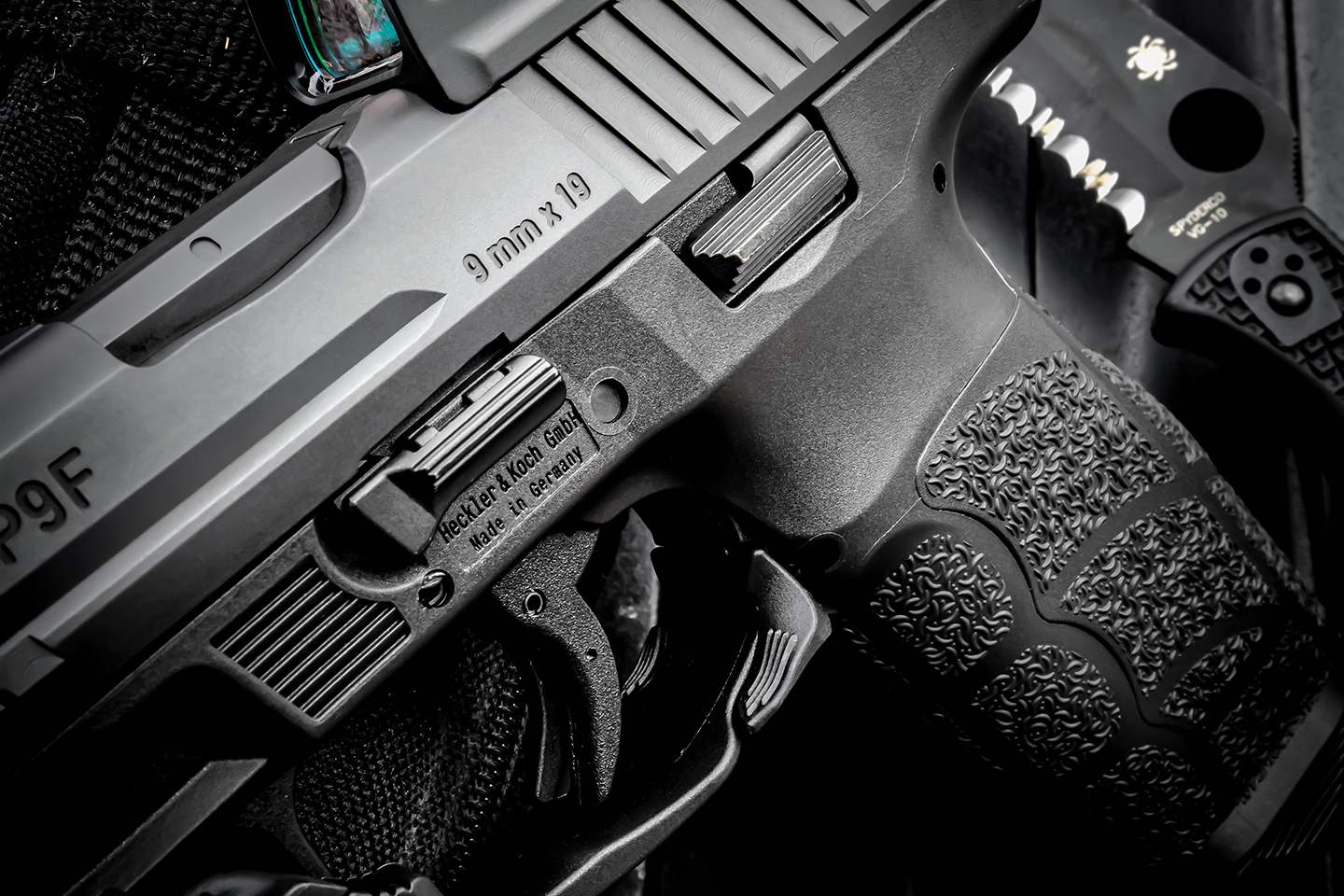
HK VP9A1 F
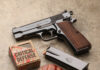
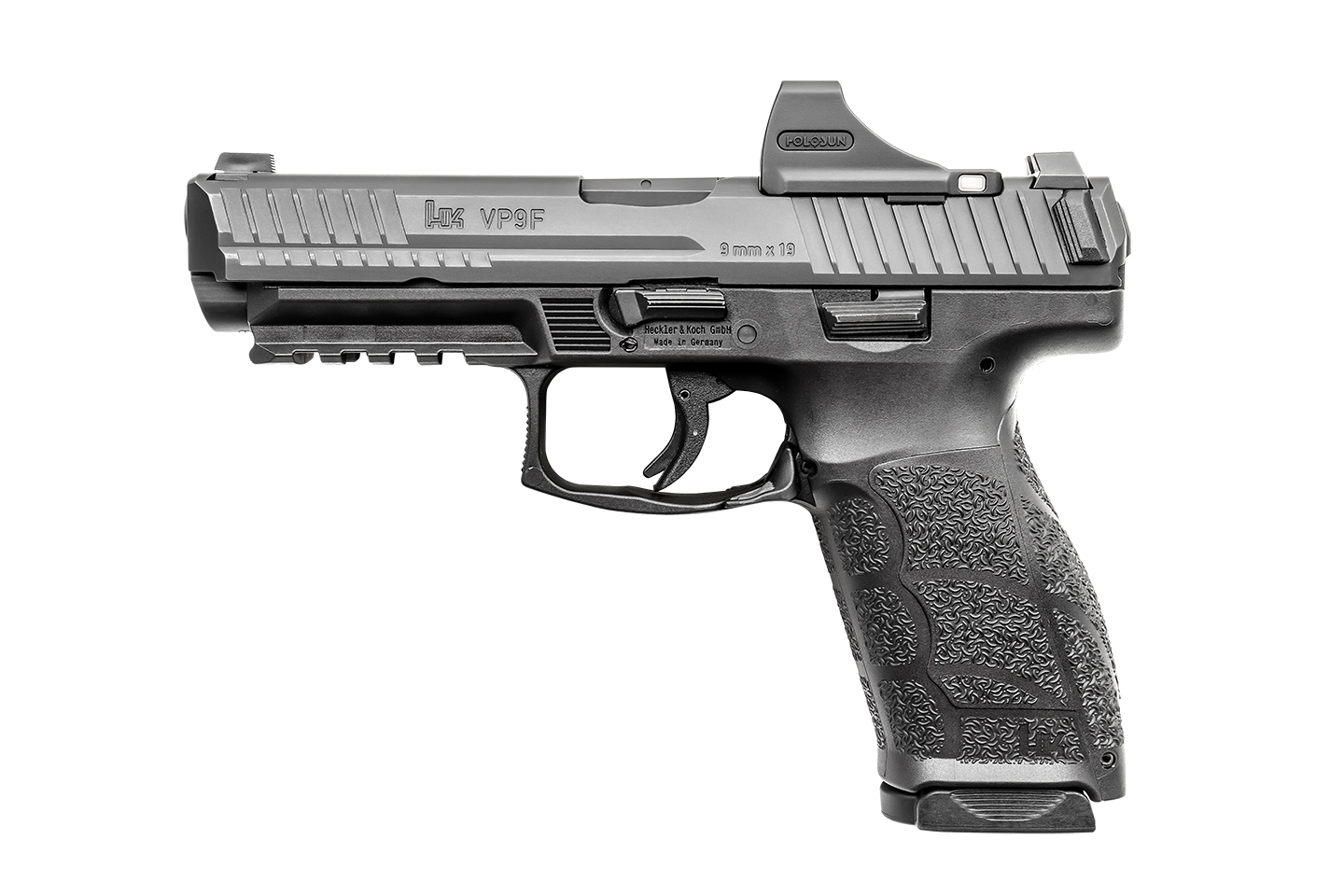
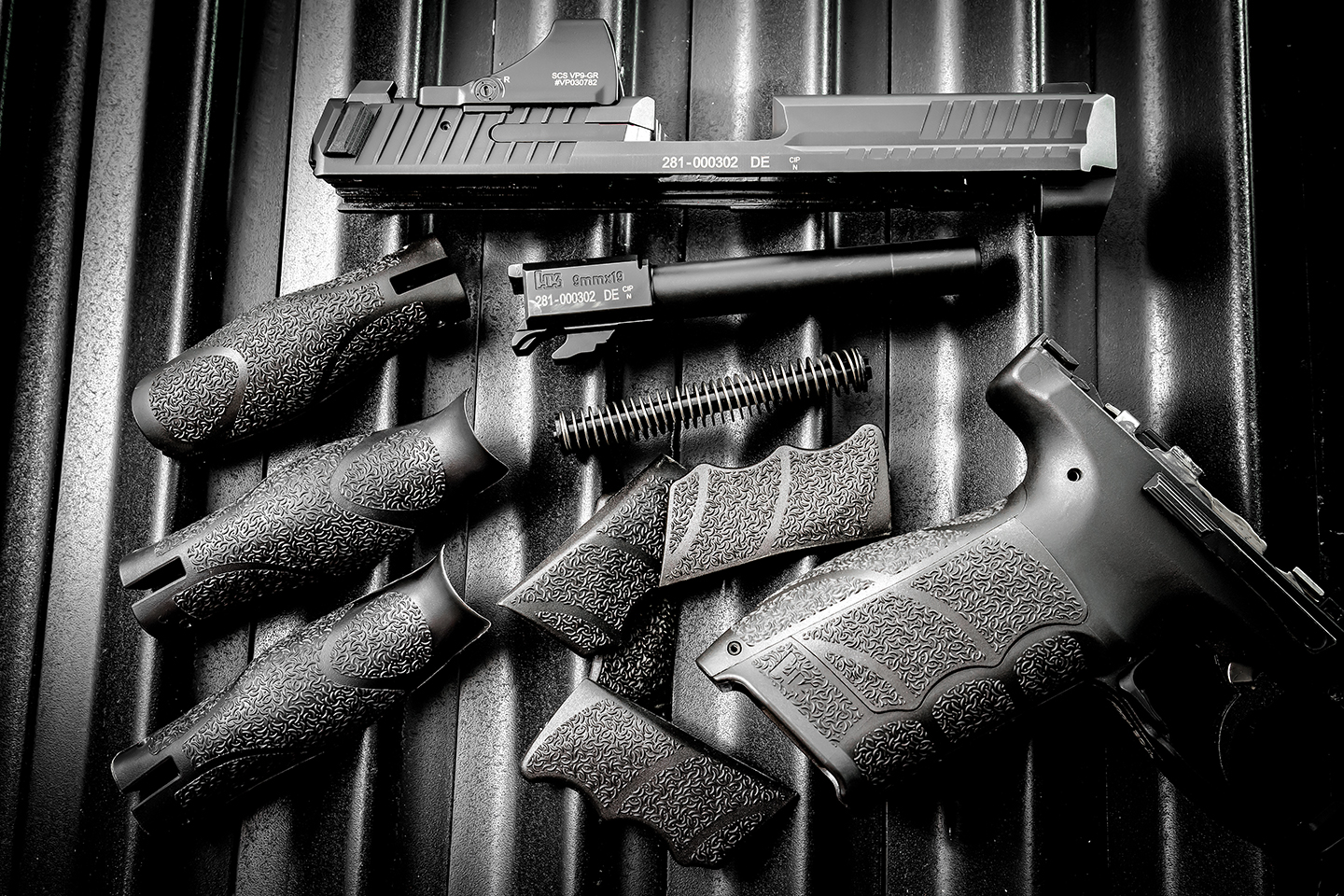
The VP9A1, available in full-size and compact versions, is the latest generation with improvements that revolve around “enhancing the connection between serious users and their pistols .” Improvements were made to the trigger, grip frame, and controls. Serrated “index pads” have been added, while finger grooves were deleted from the front strap. A flared magazine well is molded into the frame to facilitate quick magazine changes. Serrated recesses on the magazine base plate facilitate easier insertion and removal of the magazine. Maritime-style serrations are added to the front and rear sections of the slide. The trigger pull has been improved, featuring a shorter and lighter take-up, a single-action break, and a short, positive reset. The firing mechanism now utilizes a nickel-Teflon-coated trigger bar. Improvements have also been made to the bilateral “paddle” magazine release and slide release. HK’s Universal Ergonomic Grip, featuring interchangeable backstraps and side panels, makes it easy to fit most any shooter’s hands.
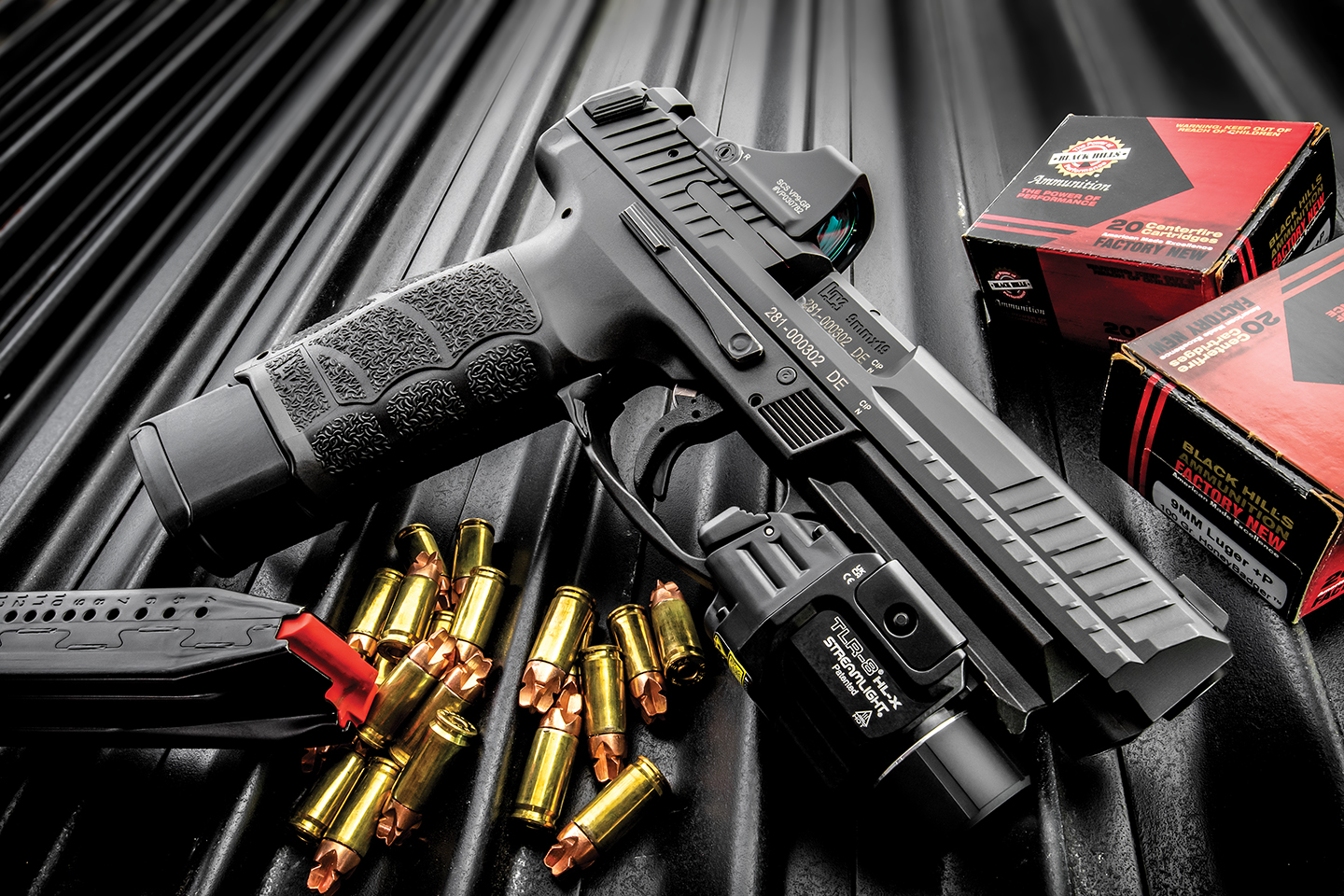
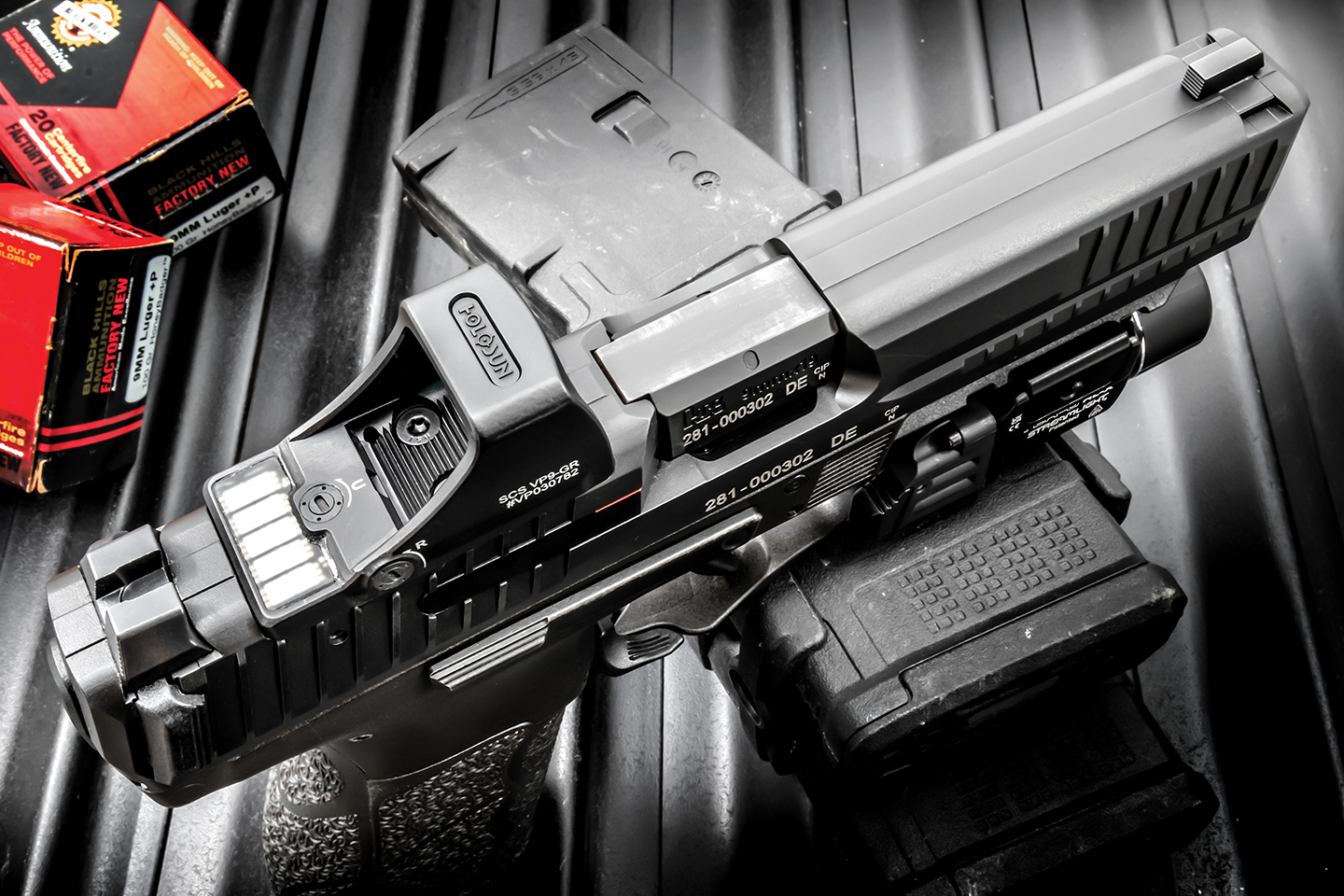
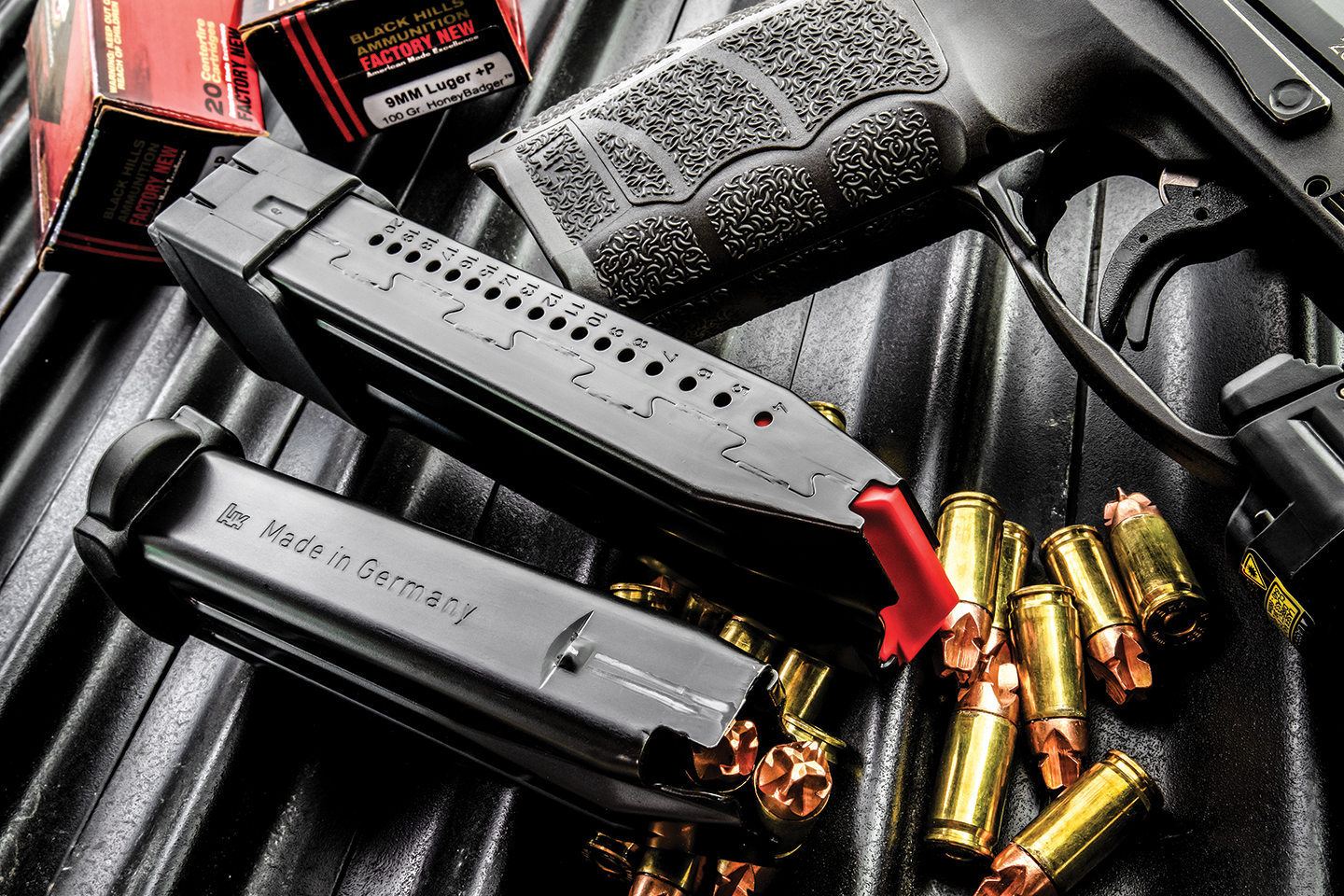
The “F” variant indicates “full-sized” and comes with one 17-round magazine and one 20-rounder. My test pistol included a Holosun SCS RDS, which bumped the retail price to $1,449.00 from $1,049.00. I’ve used the SCS on a few of my own pistols, and it’s quickly becoming one of the most popular pistol optics on the market. The SCS (Solar Charging Sight) features an internal battery with a reported 20,000-hour runtime. The reticle color is green (green is also much easier for me to pick up) with either a 2 MOA dot, a dot with a 32 MOA circle, or the circle minus the dot. Having used all three extensively, my preference has become what I call the “open circle” or 32 MOA circle with no center dot. At practical combat-pistol distances, it is incredibly fast and accurate. Another advantage of the SCS is how low it sits in the slide, allowing you to “co-witness” the iron sights — a Tritium front and black serrated rear in this case. Its small footprint means no hangover on the sides of the pistol, and it is much easier to conceal in either an IWB or OWB holster.
Range Time
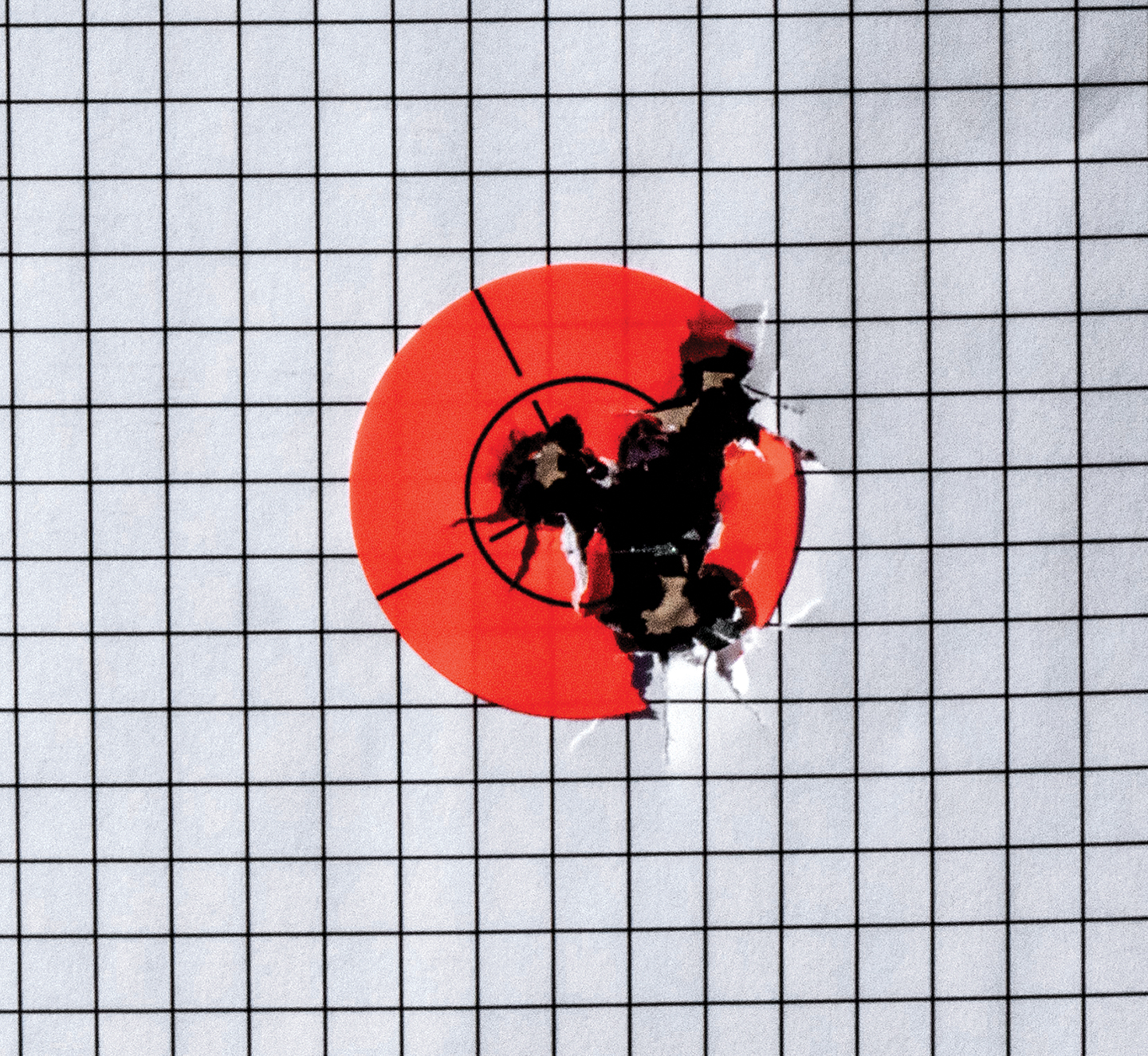
Going all the way back to my first VP9, the trigger was one of its best features: crisp and predictable, yet duty-capable. If there was a complaint, the reset could have been a bit more tactile and positive. On the A1, take-up is minimal, with a short, predictable, and noticeable reset. Not only was it fast, it was easy to produce some very good accuracy. My best five-shot group at 25 yards was clustered at around 0.75 inches using Wilson Combat’s 115-grain +P Lehi Defense ME (Maximum Expansion). Even though it is a +P load, it was very manageable and about as accurate as it gets in a handgun. Zeroing the optic at 25 yards, it continued to produce clusters on steel at 25 and 50 yards, with consistent hits on the 18-inch steel at 100 yards.
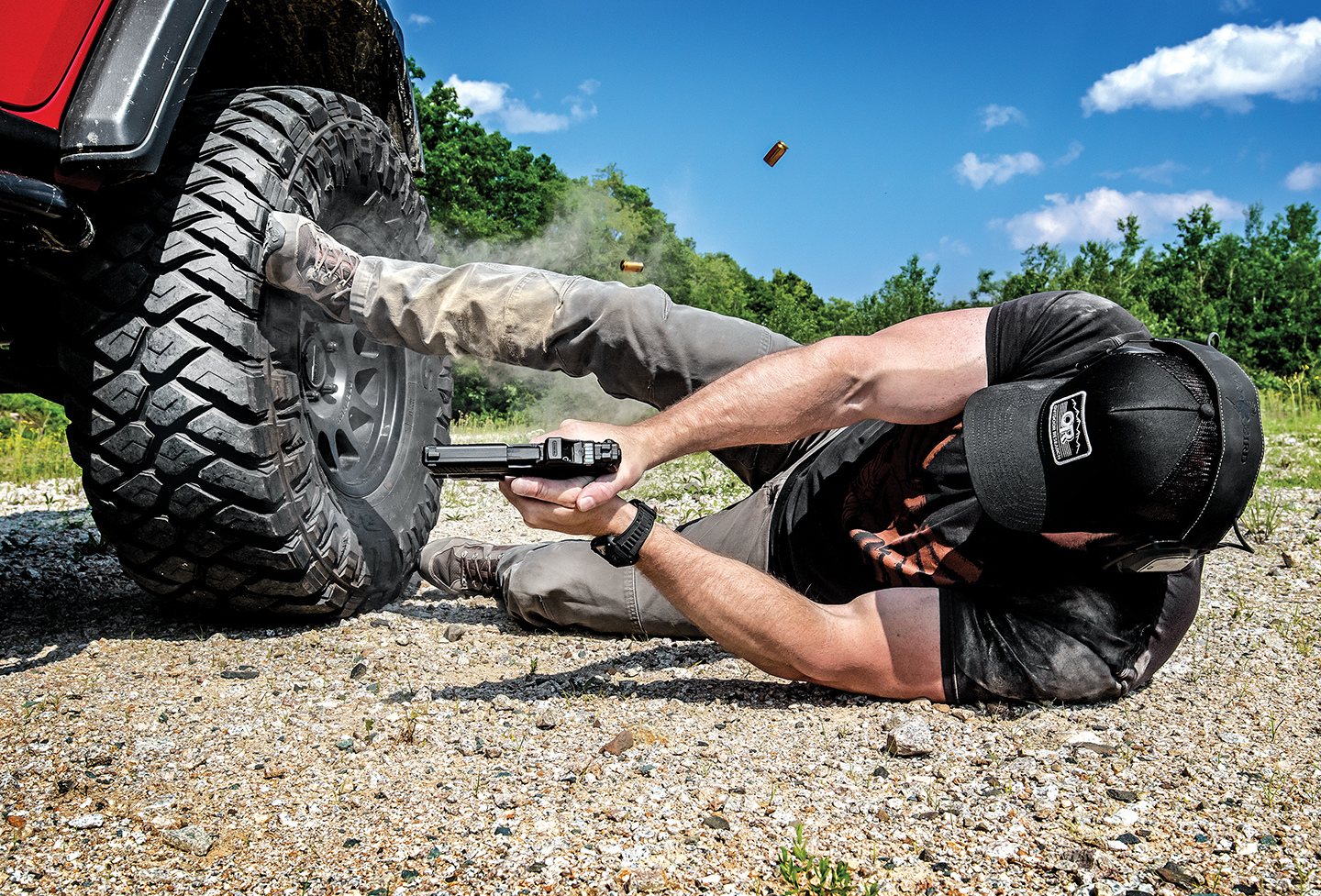
Hits on the move were consistently centered using the SCS open-circle reticle. Shooting on the move or at moving targets is where an RDS shines, and the open circle makes it pretty easy. As long as the target is inside that open circle, your hits are also there. Reloads take some getting used to with the paddle system, but the learning curve is short. I first used the paddle release on HK’s USP when it was introduced, and honestly, it’s fast, positive, and easier to use during unconventional manipulations. With previous experience, the transition from a conventional magazine release was relatively quick; however, if you’ve never run this system, it takes a few repetitions to get used to it. The remaining controls are in conventional positions and are intuitive to operate and easy to access.
Moving to the outdoor simulators at the Gunsite Academy, that optic is, again, a big help for my 65-year-old eyes in the bright sun. Both on the original and Urban Scrambler, it was possible to get consistent hits, especially with the +P ammunition. Targets on the Scrambler are from 75 to 100+ yards away but are relatively large. After a couple of runs, it was possible for me to “clean” the course using the Wilson Combat Lehi Defense HE, as well as some really juicy Black Hills 115-grain +P using the Barnes TAC-XP bullet. Recoil was certainly evident but very manageable. Running the cheapest practice 9mm, recoil was extremely soft, and the VP9A1 remained accurate and reliable.
Attaching the Streamlight TLR1 HL X weaponlight, it was time to make a few runs in the indoor simulators. One of the reasons for the trip was to spend as much quality time as possible working indoor tactics at night with a couple of different carbines, so adding this pistol to the regimen was convenient. The weaponlight mounted easily, stayed firmly attached with no issues, and the pistol/light combo fit in a pouch on my old tactical vest. During my last year on the team, my preference was to put my pistol on the vest, keeping my hips and thighs clear. Not only did it help my back, but it also made it easier to navigate doorways and work quietly along walls. The VP9A1 F laid down the impressive performance in this scenario, and flash was minimal with most all ammunition — especially the Wilson Combat Lehi Defense.
Final Thoughts
In regard to the original VP9, HK asked and answered most of the questions and concerns with the introduction of the A1 model. A factory optic-cut slide with a solid mounting system, an improved trigger with less take up, a crisp second stage, and no overtravel are certainly not things anyone will complain about. The grip-insert system makes fitting to most any sized hand possible and provides excellent ergonomics and a usable grip texture. HK nailed it with the iron sights; the Tritium front sight and black serrated rear are among the most popular duty and self-defense setups these days. The pistol is highly accurate, reliable, and comfortable to shoot with +P loads. If you’re in the market, take a very close look at the HK VP9A1 F — I’m not sure it gets much better in a full-size defensive pistol. See it at your nearest HK dealer, or for more information, contact Heckler & Koch; Tel.: (706) 568-1906; E-mail: [email protected]; Web: www.hk-usa.com
Specifications:
Action: Striker fired
Caliber: 9mm
Barrel Length: 4.53 inches
Overall Length: 7.76 inches
Width: 1.30 inches
Height: 5.46 inches
Weight: 23.28 ounces
Finish: Black
Sights: Optic plate system, fixed sights
Capacity: 20+1 rds.
MSRP: $1,049.00 ($1,449.00 with optic)