


Christensen Arms Evoke 7mm Backcountry
By: Mike Dickerson
Christensen’s first entry-level bolt-action rifle delivers solid performance and enhanced features at an affordable price.
Christensen Arms has long been known for producing bolt-action rifles incorporating cutting-edge technology, but that technology always came at a price. Notably missing from the lineup was an affordable entry-level rifle.
That has changed with the introduction of Christensen’s new Evoke rifle, which has a sub-$900 price tag. The Evoke may cost less, but like its more expensive stable mates, the Evoke comes with a sub-MOA accuracy guarantee and limited lifetime warranty.
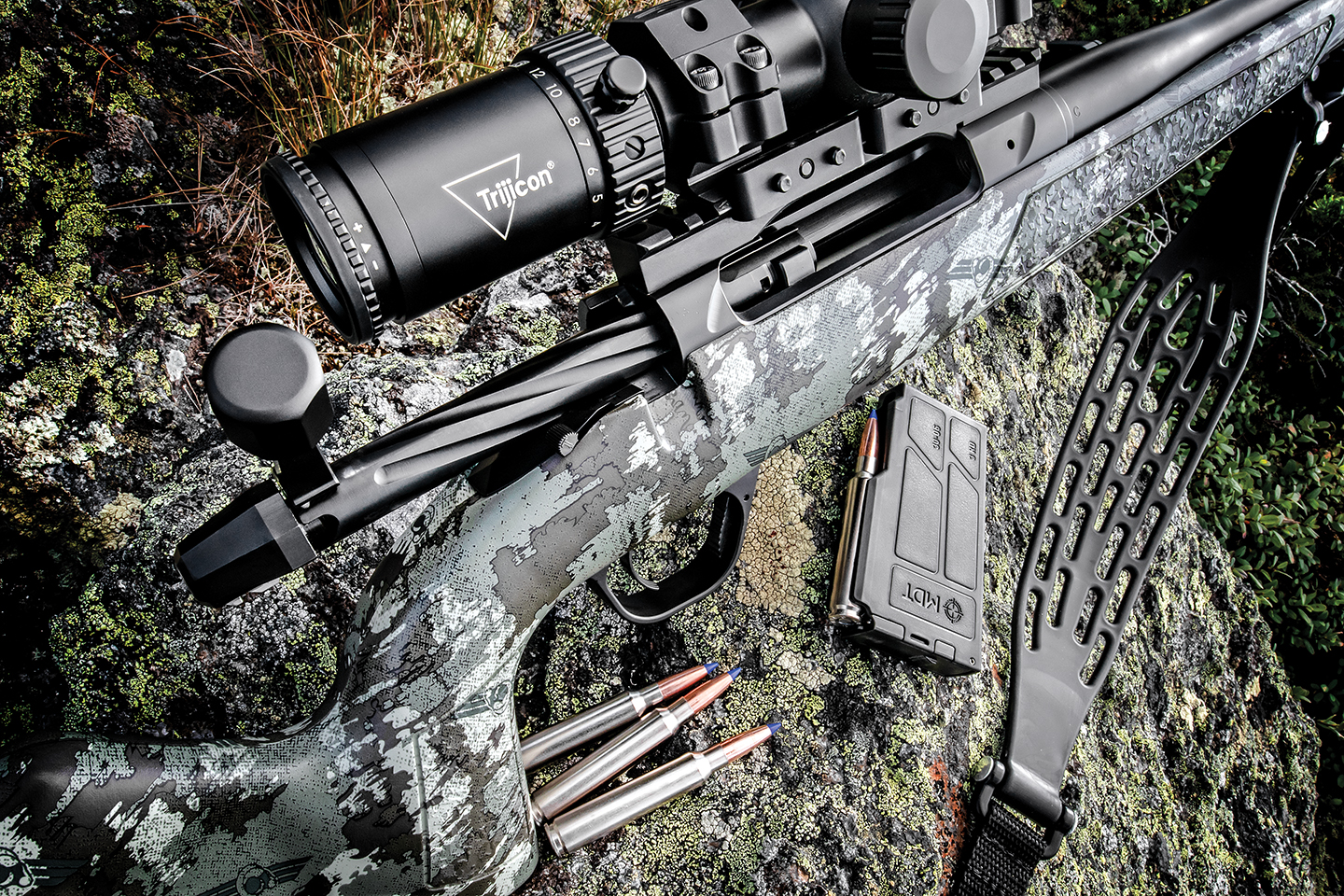
The rifle is offered in four feature-rich models. The basic Evoke sports a smoked bronze Cerakote finish on the action and barrel, and has an OD green synthetic stock. The Evoke Mossy Oak has a Mossy Oak Bottomland camo stock. A tricked-out Evoke Precision model should be available later this year.
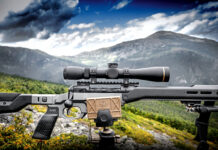
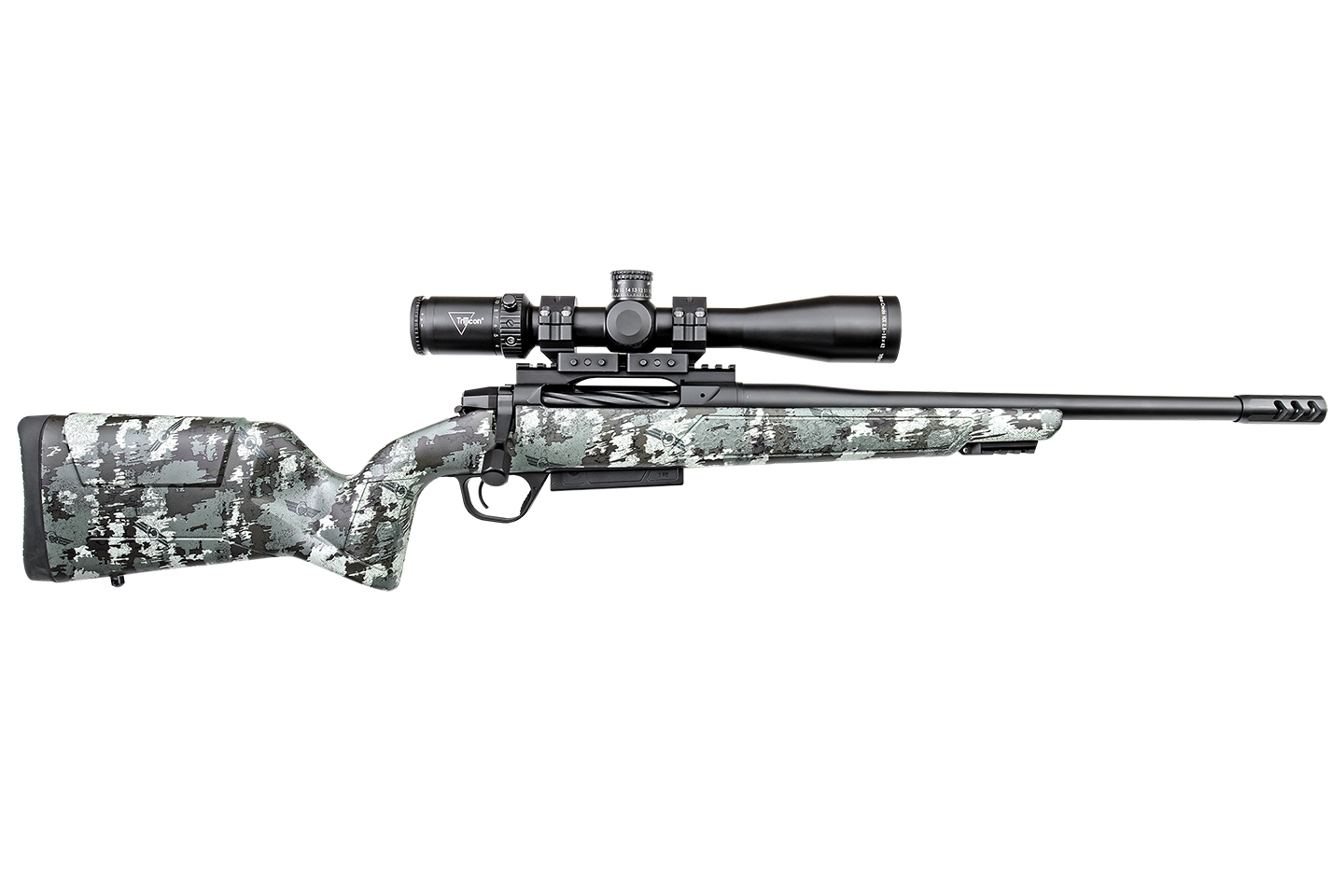
The subject of this review is the Evoke Hunter, which has a proprietary Christensen Arms camo stock and a factory-installed, 0-MOA Picatinny rail for mounting optics. This model is initially offered in seven chamberings (the basic Evoke doubles that number). Chamberings for the Hunter include 6.5 Creedmoor, 6.5 PRC, 7mm PRC, 7mm Backcountry, 308 Win, 300 Win Mag, and 300 PRC. These cartridges are popular with Western hunters who often need to shoot at extended distances.
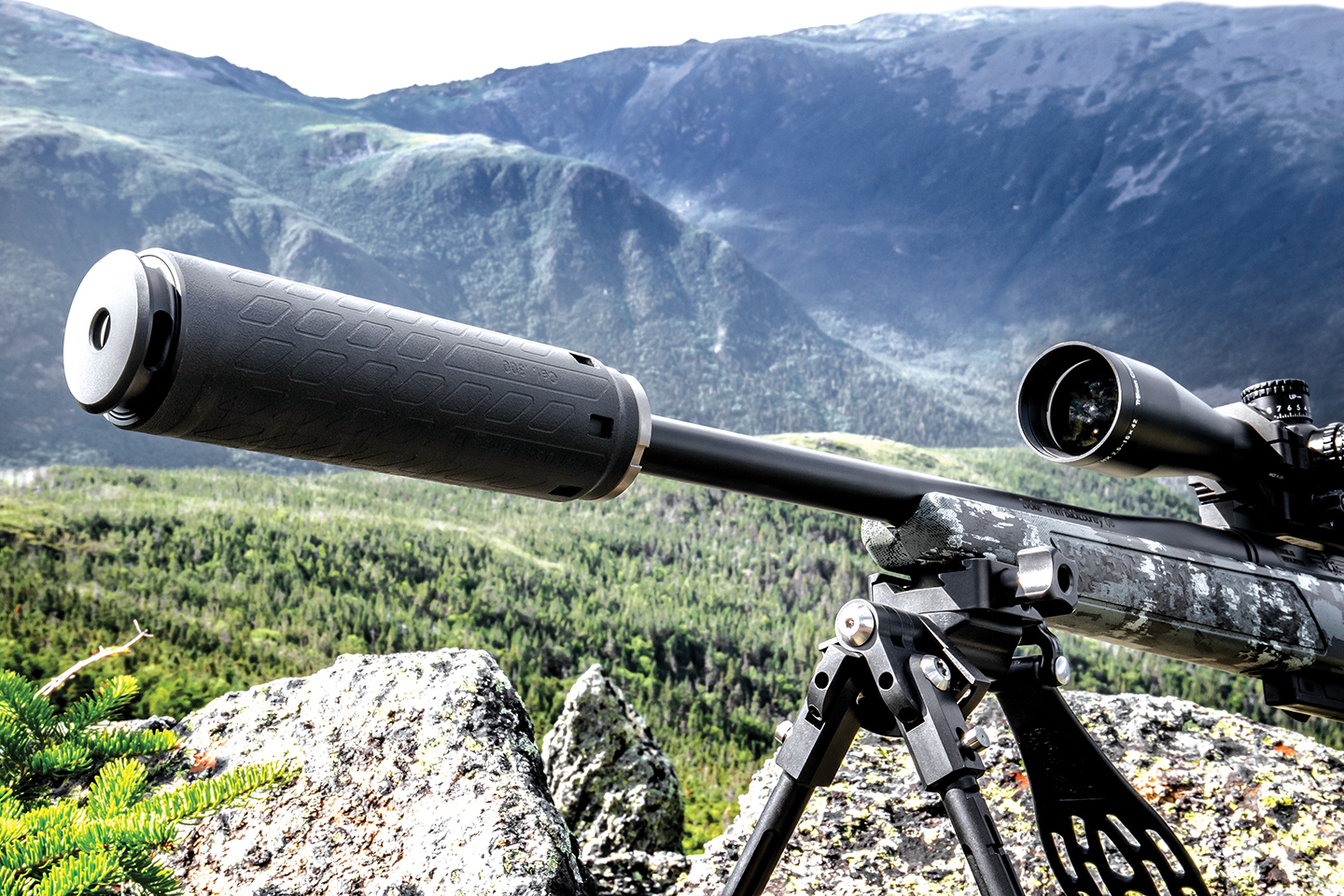
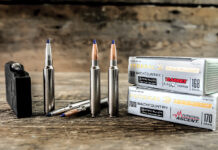
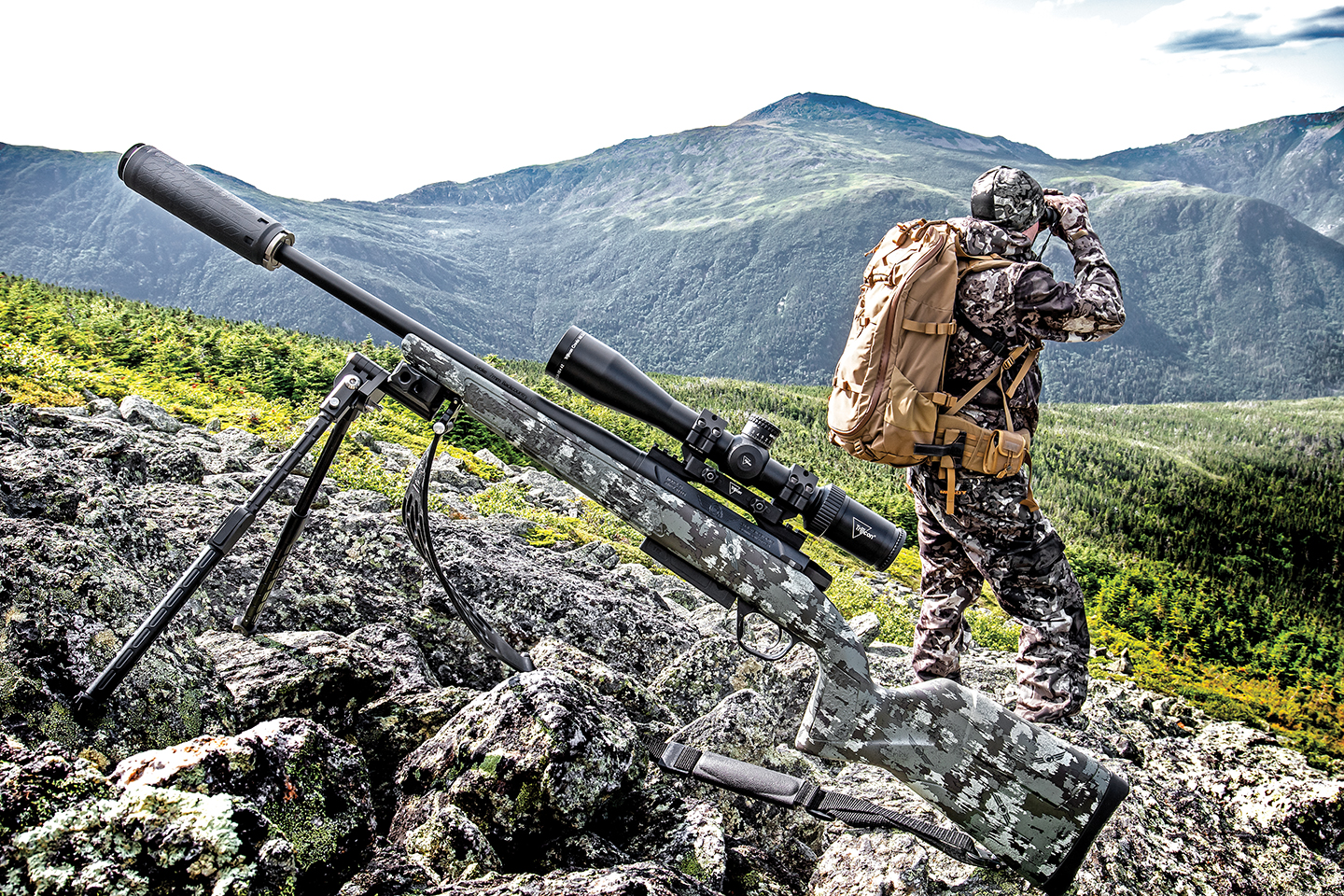
Most rifles in these chamberings come with 20- or 22-inch barrels. Notably, rifles chambered for Federal’s new 7mm Backcountry cartridge are available with 20- or 16.25-inch barrels. Given the superior ballistics of the 7mm Backcountry, the 16.25-inch barreled gun, which I tested, is ideal for the growing number of hunters who want to shoot suppressed.
Barrels are made of 416R stainless steel and have match-grade chambers. Before leaving the factory, barrels are hand-lapped to enhance accuracy and make barrels easier to clean. The barrels are free-floated and threaded 5/8×24 to accept a muzzle brake or suppressor. My test rifle came with a removable Cerakote-protected premium RFR muzzle brake, which is the same brake used on more expensive Christensen models. Both barrel and action have a protective black Cerakote finish.
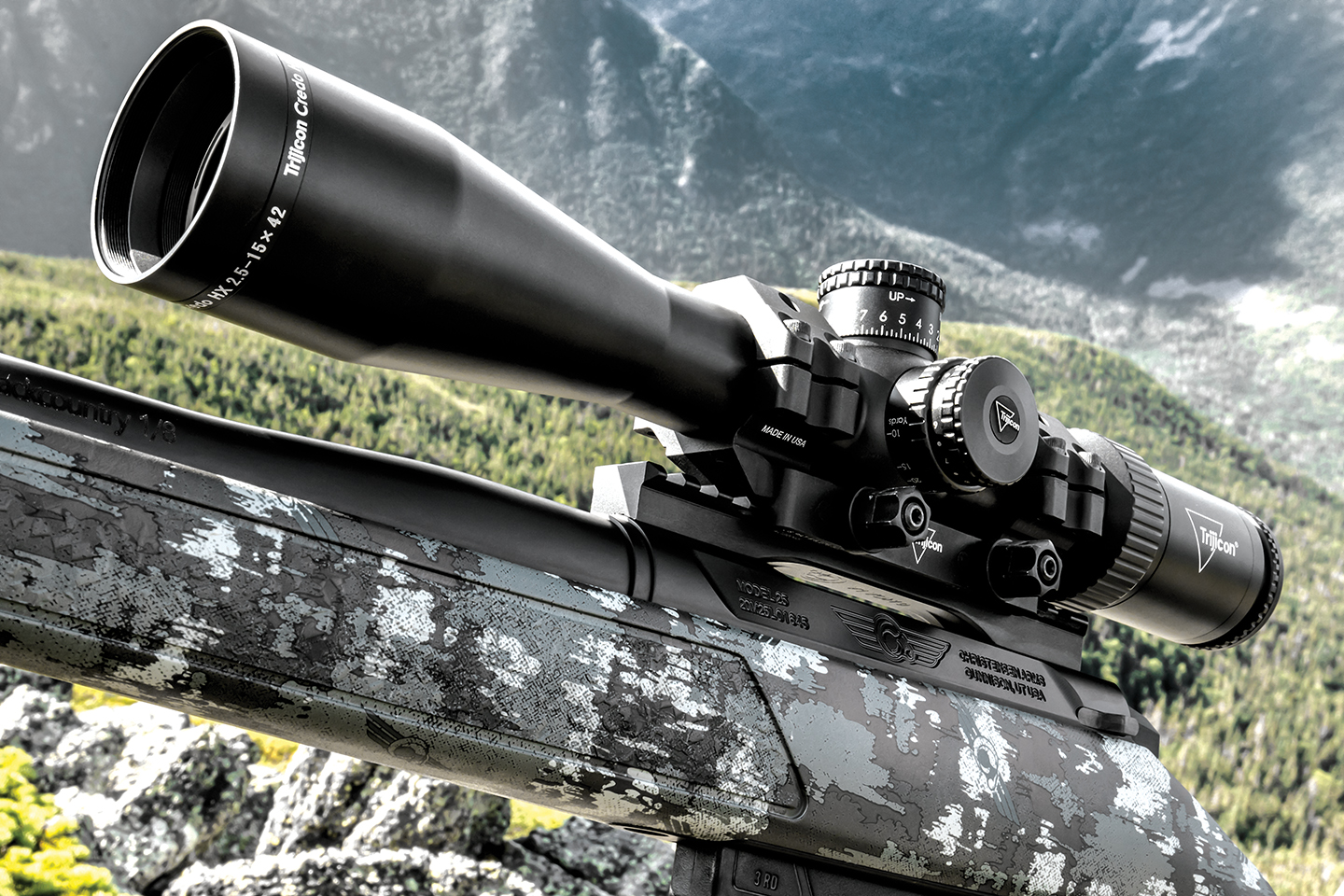
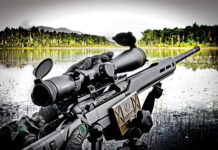
All Evoke rifles are built around a precision-machined tubular receiver with an integral steel recoil lug. Actions are pillar-bedded to the stock. The action employs a spiral-fluted, two-lug bolt with a single plunger ejector and M-16-style extractor. I quickly discovered that the bolt cycles with exceptional smoothness. Although the bolt throw is 90 degrees, the pre-installed Picatinny rail provides plenty of clearance for riflescopes. A slightly oversized, hexagonal bolt knob aids in cycling the action quickly.
Should you wish to swap out the rifle’s Picatinny rail for traditional rings and mounts, it’s important to note that the receiver, which is drilled and tapped for Remington 700-style mounts, requires larger 8-40 screws, which add strength in a critical area.
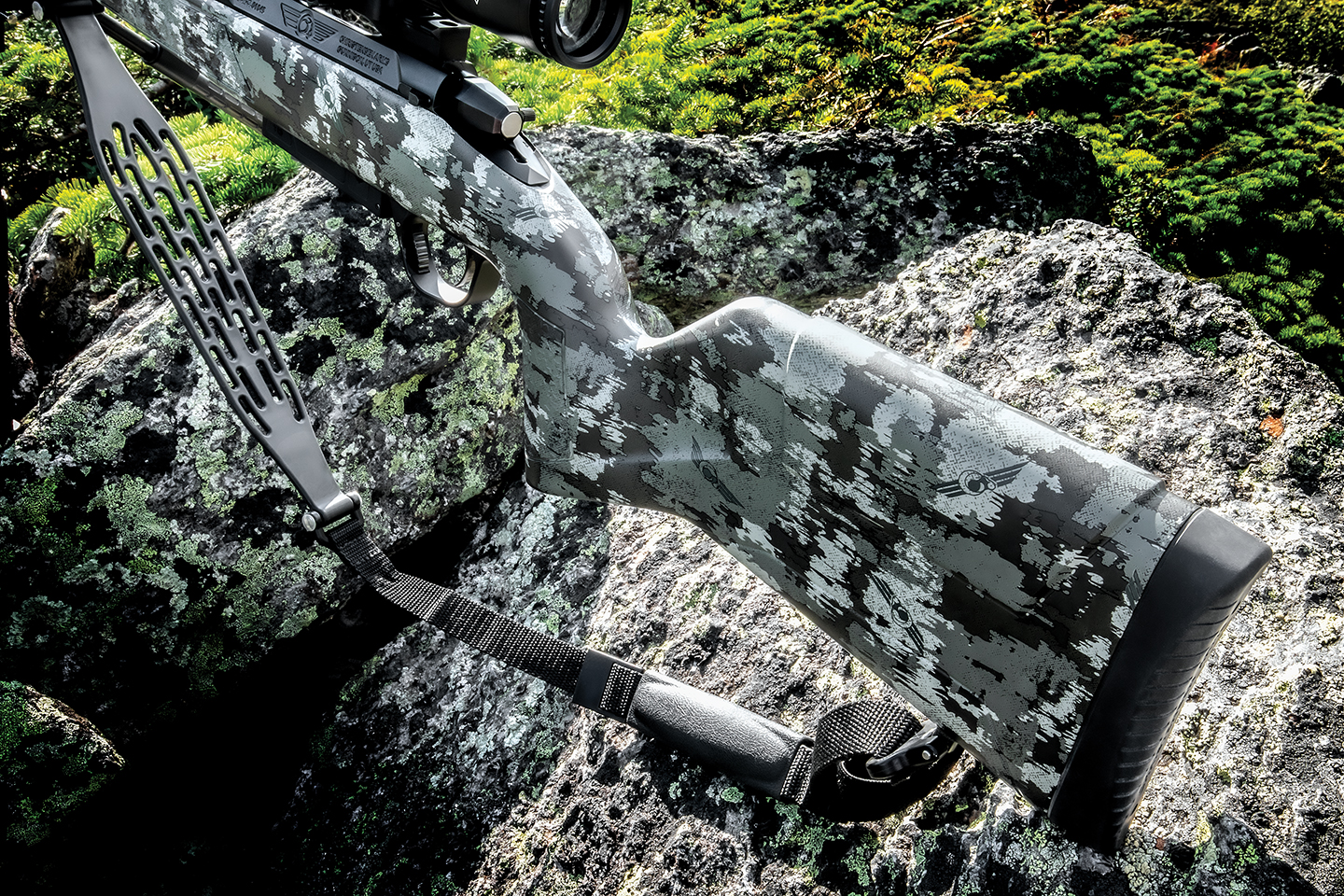
The lines of the Evoke Hunter’s injection-molded stock are straight, but somewhat modernized to reflect changing customer preferences. The pistol grip has a hybrid grip angle that aids in achieving a consistent trigger pull when shooting from a prone position. The top of the buttstock has just enough of a molded-in cheek riser to help with proper eye-scope alignment. Beneath the tip of the forend, you’ll find a short, three-slot Picatinny rail section for attaching a bipod or other rest. The rail has a built-in sling swivel attachment point. There’s ample stippling in the right areas on molded grip panels to provide a sure grip in wet weather. The stock’s rubber recoil pad is a bit stiffer than I would prefer, but it, combined with the muzzle brake, makes perceived recoil a non-issue.
The rifle is equipped with a detachable three-round polymer magazine that protrudes a bit from the bottom of the stock. While I prefer flush-fitting magazines, like the one on my basic Evoke model, the magazine doesn’t protrude enough to be a hindrance. The magazine drops freely into the hand when you push on the magazine release lever located inside the forward edge of the generously sized trigger guard. This requires firm pressure, so there’s no worry of the lever snagging on brush and inadvertently dropping a magazine.
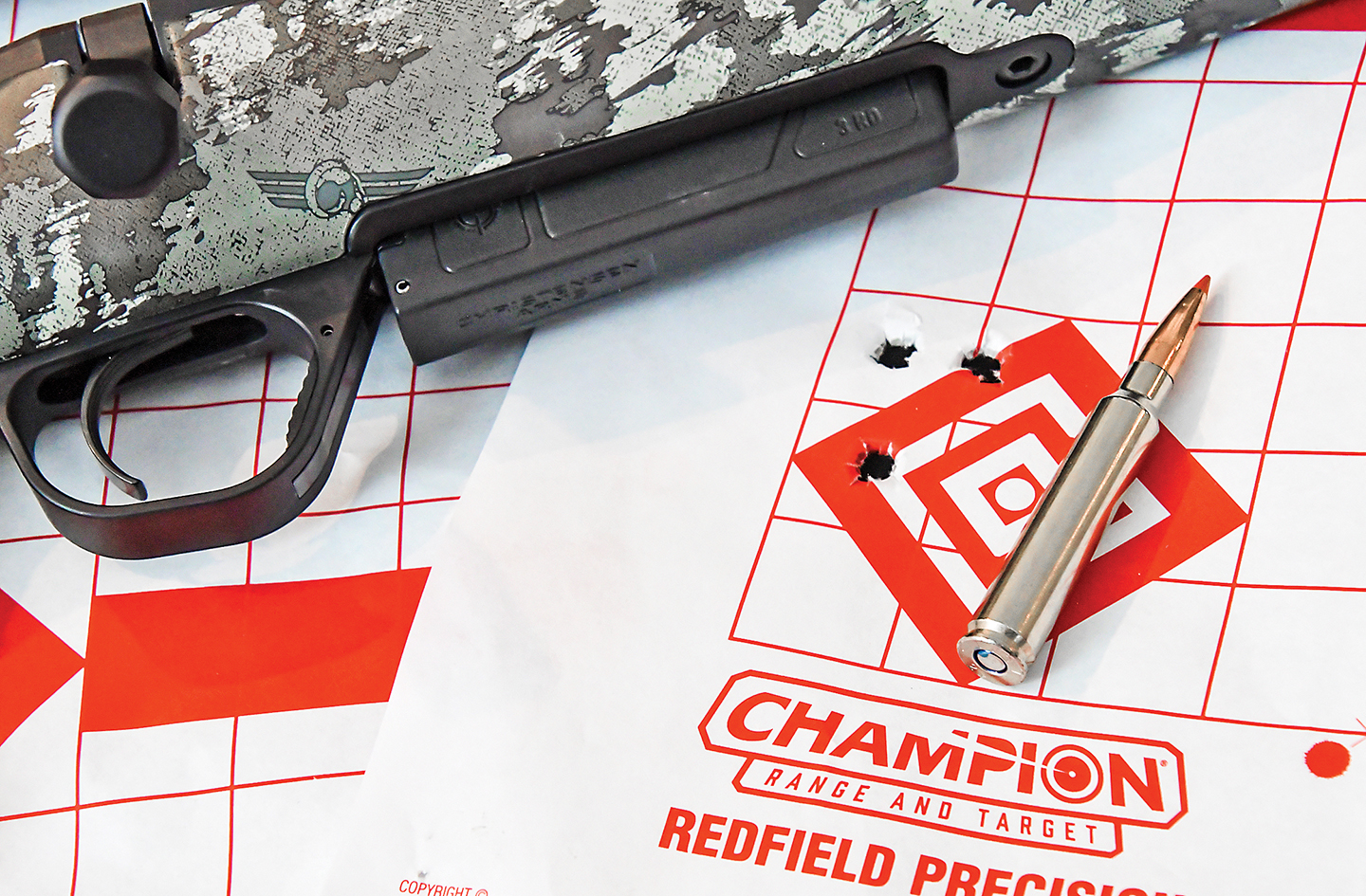
However, if you insert the magazine too forcefully, removal can get a little sticky. The trick with this magazine was to simply insert it with just enough pressure to make it click into place. I suspect this may have been an issue with this particular magazine, as the magazine on my personal basic Evoke rifle does not have this tendency. In any event, rounds fed reliably from the magazine, and there were no issues with extraction and ejection of spent cases.
The Evoke is equipped with an excellent single-stage, externally adjustable TriggerTech trigger. The one on my test rifle broke quite crisply and had minimal overtravel. There was zero hint of creep. As it arrived from the factory, the trigger on my test rifle broke at a pull weight of slightly more than 3 pounds. I adjusted it down to a pull weight of 2 pounds, 11 ounces for testing.
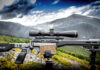
The first thing I discovered when testing the rifle at the range, with Trijicon’s Credo HX 2.5-15x42mm scope mounted, was that the 7mm Backcountry ammo produced good velocities out of the shorter, 16.25-inch barrel. I had only two 7mm Backcountry loads to test, but both stepped out at nearly identical velocities of around 2,885 fps. Both loads had admirable numbers for extreme spread and standard deviation.
Accuracy testing, consisting of shooting three three-shot groups for each load, produced mixed results with the two test loads. Federal’s 175-grain Tipped Fusion load consistently helped the rifle live up to its sub-MOA accuracy guarantee with 0.98-inch average groups and a 0.96-inch best group. Federal’s load using a 168-grain Barnes LRX copper bullet did not perform quite as well, turning in a 1.32-inch best group and 1.47-inch average groups. While I would not consider this to be tack-driving accuracy, it’s perfectly acceptable for most hunting applications. Mind you, this performance was with a sample of one, but my personal Evoke rifle, chambered in 6.5 Creedmoor, provides a hint of the Evoke’s accuracy potential. That rifle shot sub-MOA groups with five different loads in testing.
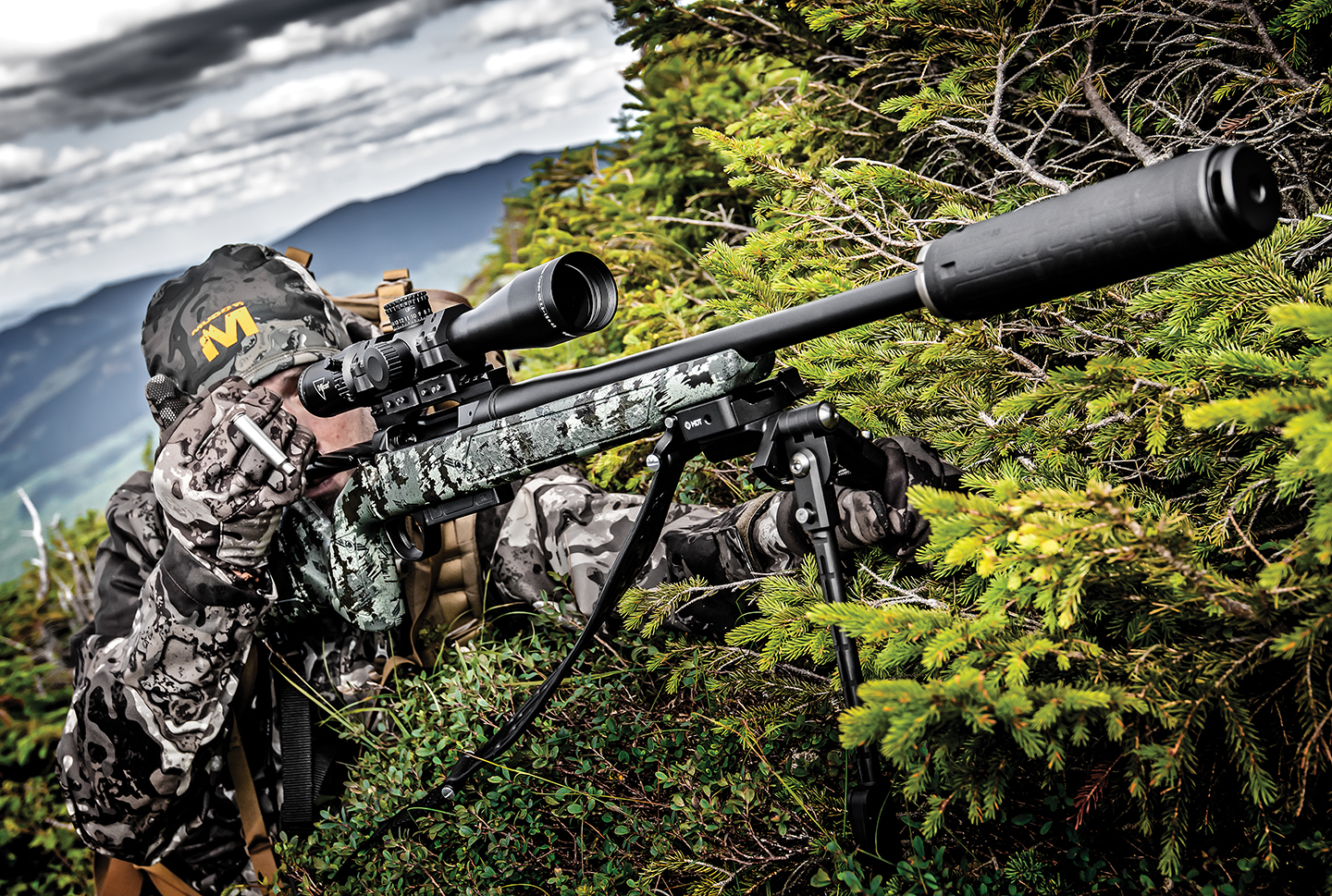
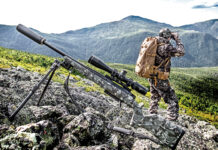
If you’re looking for a lightweight mountain rifle, the Evoke may not be your cup of tea. The rifle weighs 7.7 pounds empty with no optic attached. Full-up weight of my test rifle, with a scope and rings attached, was closer to 9 pounds. That’s more than I would want to tote into the high country, but it’s great for shooting off most any kind of rest or in windy conditions. In my book, that makes the Evoke a fine everyday hunting rifle – and it’s available at a price most hunters can afford. See the Evoke at your nearest dealer, or for more information, contact Christensen Arms; Tel.: 888-517-8855; Web: https://christensenarms.com.
Specifications:
Caliber: 7mm Backcountry
Action Type: Bolt action
Barrel: 16.25-inch 416R stainless steel
Rifling: 1:8 RH rate of twist
Finish: Anodized black Cerakote
Stock: Injection molded
Stock Finish: Proprietary camo pattern
Magazine/capacity: Detachable, 3+1
Sights: None, Picatinny rail for mounting optics
Trigger: TriggerTech Adjustable, 2.5-5 lbs.
Overall Length: 38 inches
Weight: 7.7 pounds
MSRP: $898.99