



Wasteland Contingency Plan
By: Dave Bahde
Is the IWI Carmel the most underrated SHTF carbine produced today?
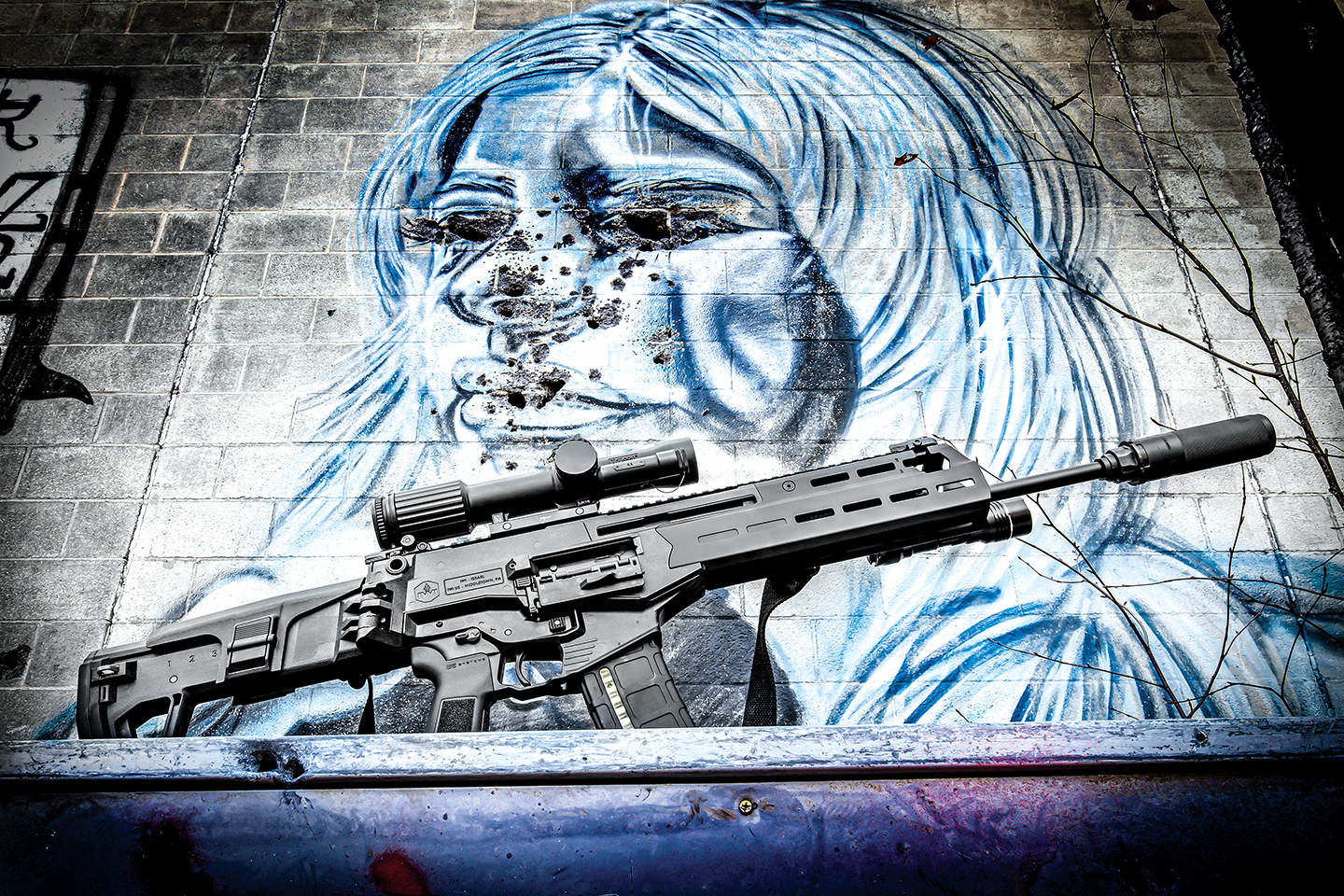
Like many of the new “hybrid” rifles we see today, the IWI Carmel incorporates a combination of operating principles. The operating system is reminiscent of the HK G36, featuring a short-stroke gas piston. It utilizes an AR-type bolt with an AK-style return spring system, allowing for a folding stock and the ability to fire while the stock is folded. The gas block is adjustable for suppressed or unsuppressed fire. The charging handle is on the side of the receiver, is non-reciprocating, and can be moved from side to side. This entire operating system, in general, is the most popular for a reason: it’s soft shooting, reliable, easy to work on, and facilitates quick-change barrels. The barrel measures 16 inches in length, is free-floated, hammer-forged, chrome-lined, and features a 1/7 twist and a 5.56mm NATO chamber. It comes with an effective muzzle brake that is not oppressive, providing excellent recoil reduction.
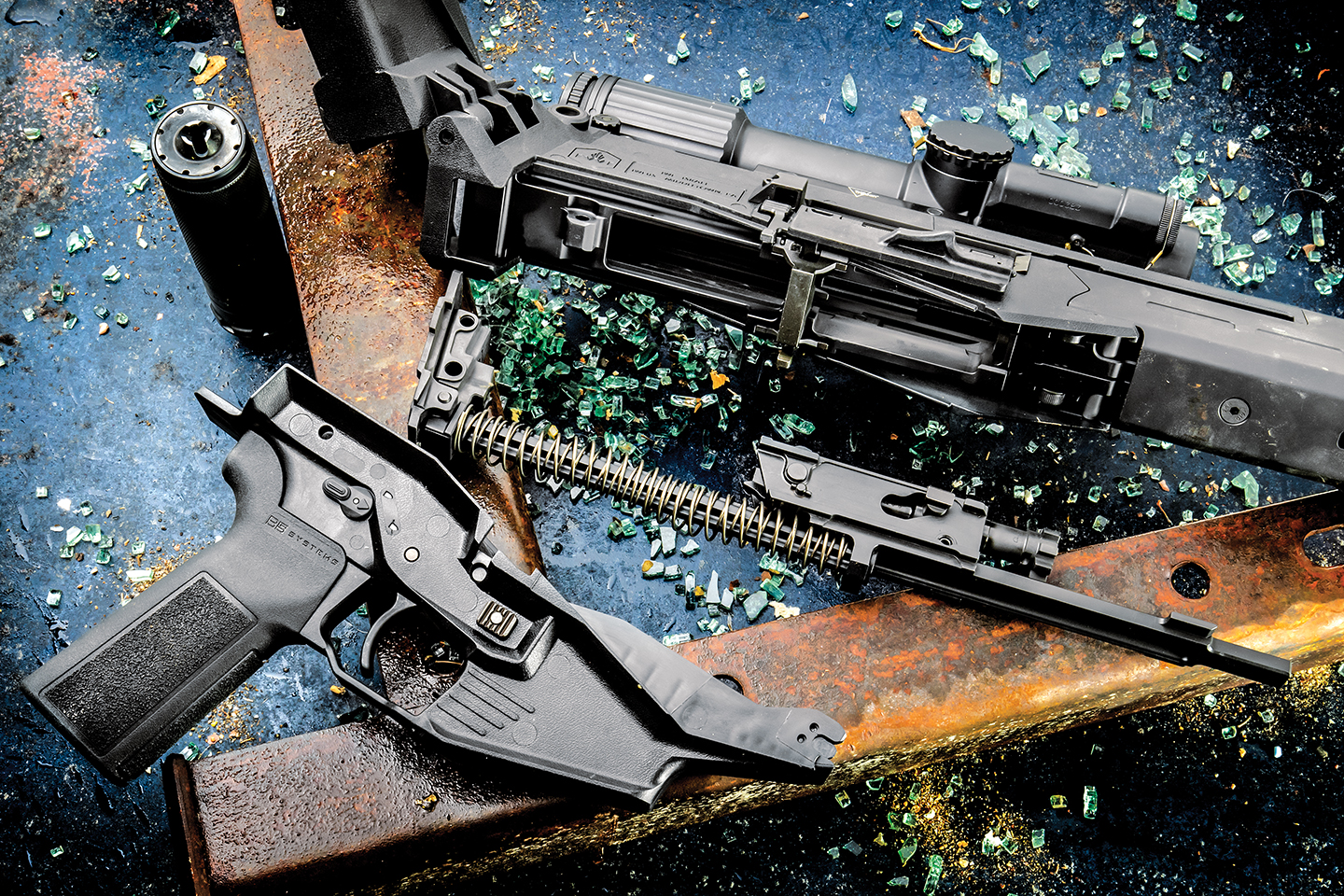
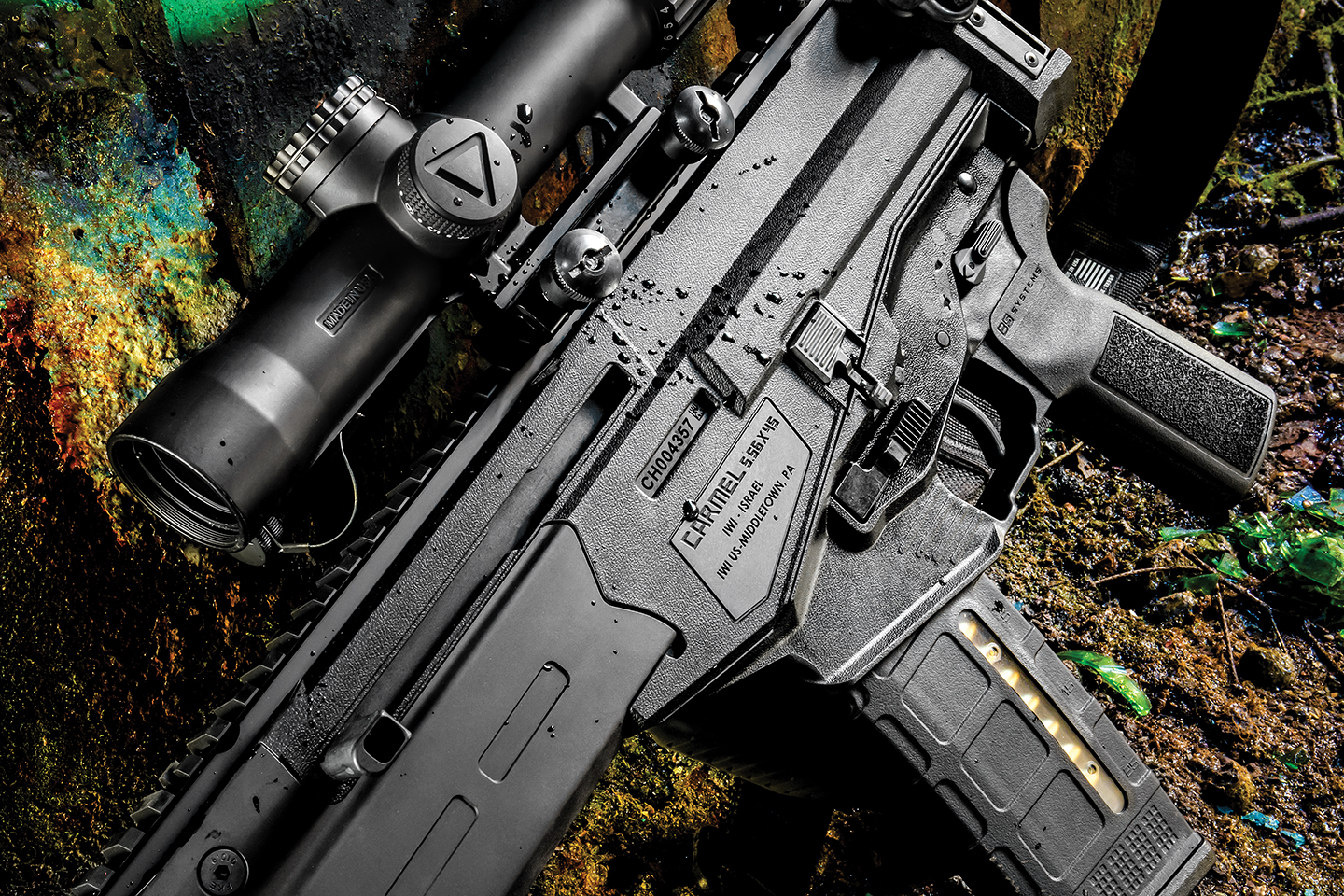
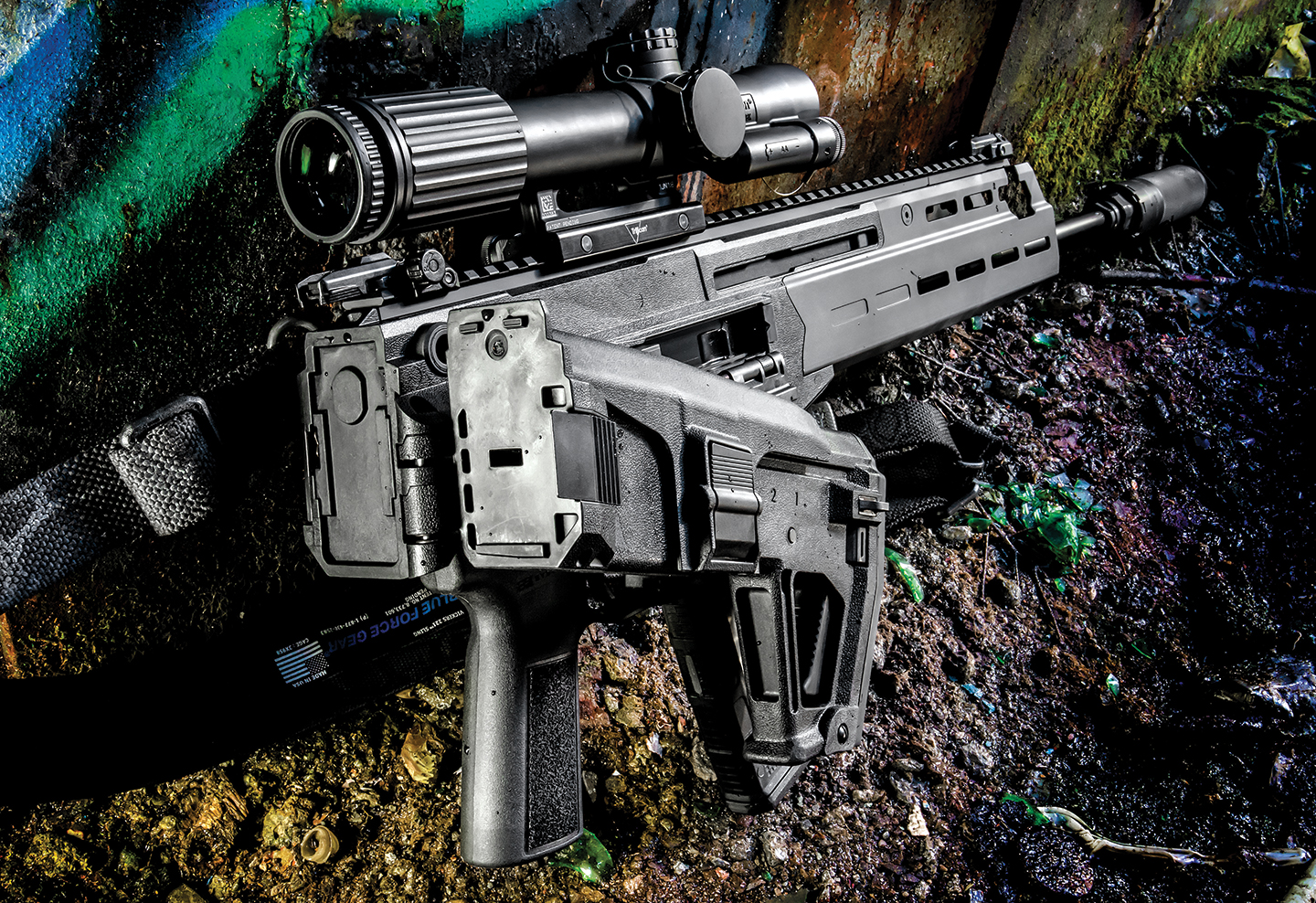
The upper receiver, which consists of lots of steel-reinforced polymer, is the serialized component. The lower features an AR grip and AR-like controls, including a short-throw safety selector, ambidextrous magazine release, and bolt release. The trigger feels like a nice two-stage AR trigger, but its construction is almost pure AK, ie, robust and reliable. While there is a bit more take-up than a match-style AR trigger, it was designed for hard use and predictability. The flared magazine well accepts NATO/STANAG magazines made of steel, aluminum, or plastic, whatever is trendy these days; so far, everything out there seems to fit, work, and drop free in the Carmel. The folding stock is very ACR-like and features push-button adjustments for length of pull and cheek height. There are QD sling cups on either side of the receiver at the rear, with C-clip attachments on both sides of the stock. The handguard is M-LOK compatible to accommodate accessories, and a continuous strip of Picatinny rail runs the length from the rear of the receiver to the front of the forend, offering ample real estate for any combination of optics and enablers you can think of.
Range Time
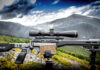
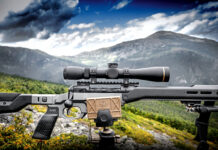
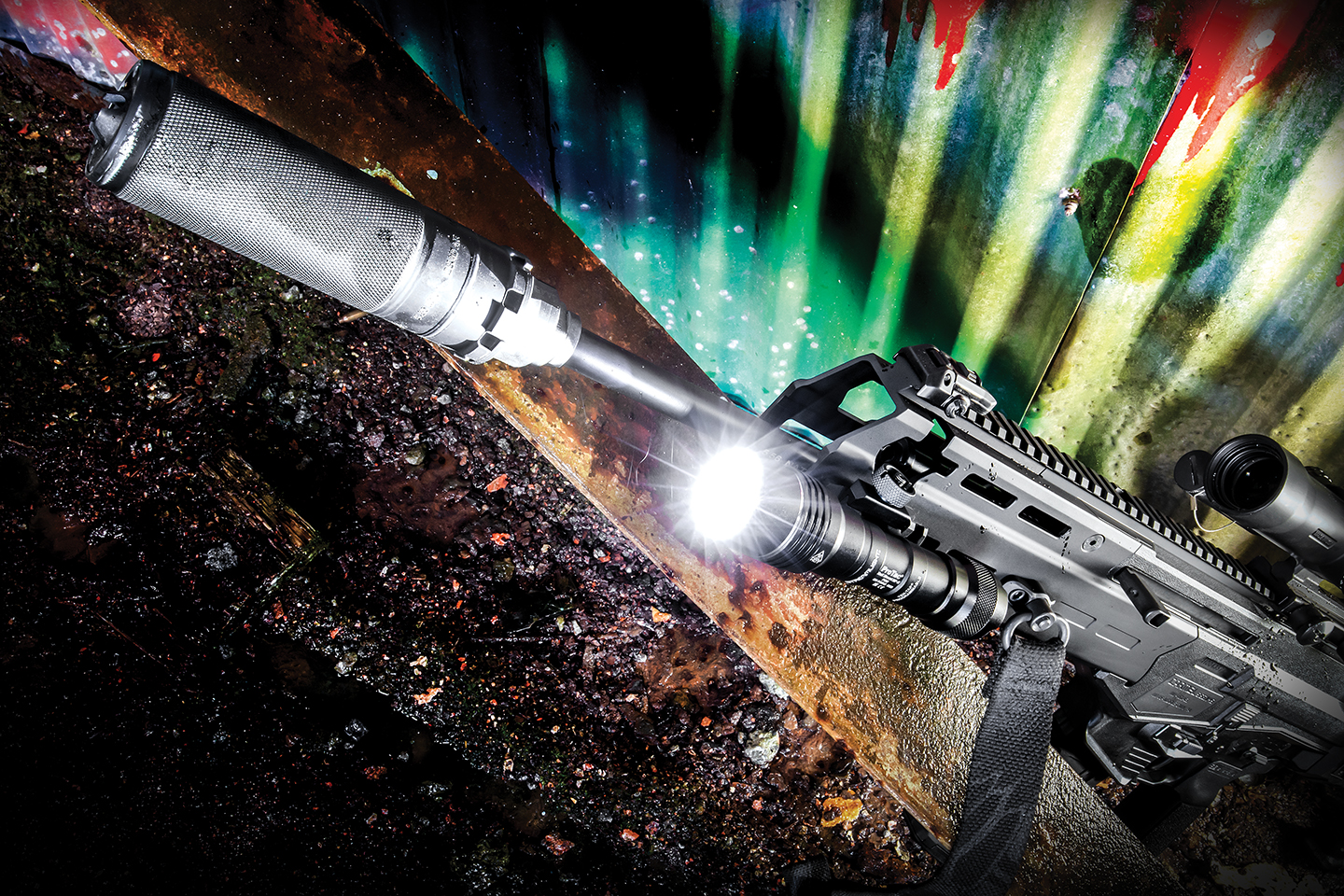
Testing was completed using a Trijicon (www.trijicon.com) 1-8×28 VCOG, an extremely rugged, reliable, and combat-focused LPVO with a forged-aluminum one-piece housing. A Dead Air (www.deadairsilencers.com) Xeno flash hider was added to facilitate the use of my Dead Air Sierra 5 suppressor. My preference is for a two-point sling mounted to the right rear stock, so I added some Magpul clips to my Blue Force Gear sling. Streamlight’s new ProTac Rail Mount HP-X Pro long gun weapon light was added to light up the night when needed.
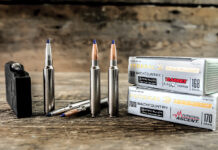
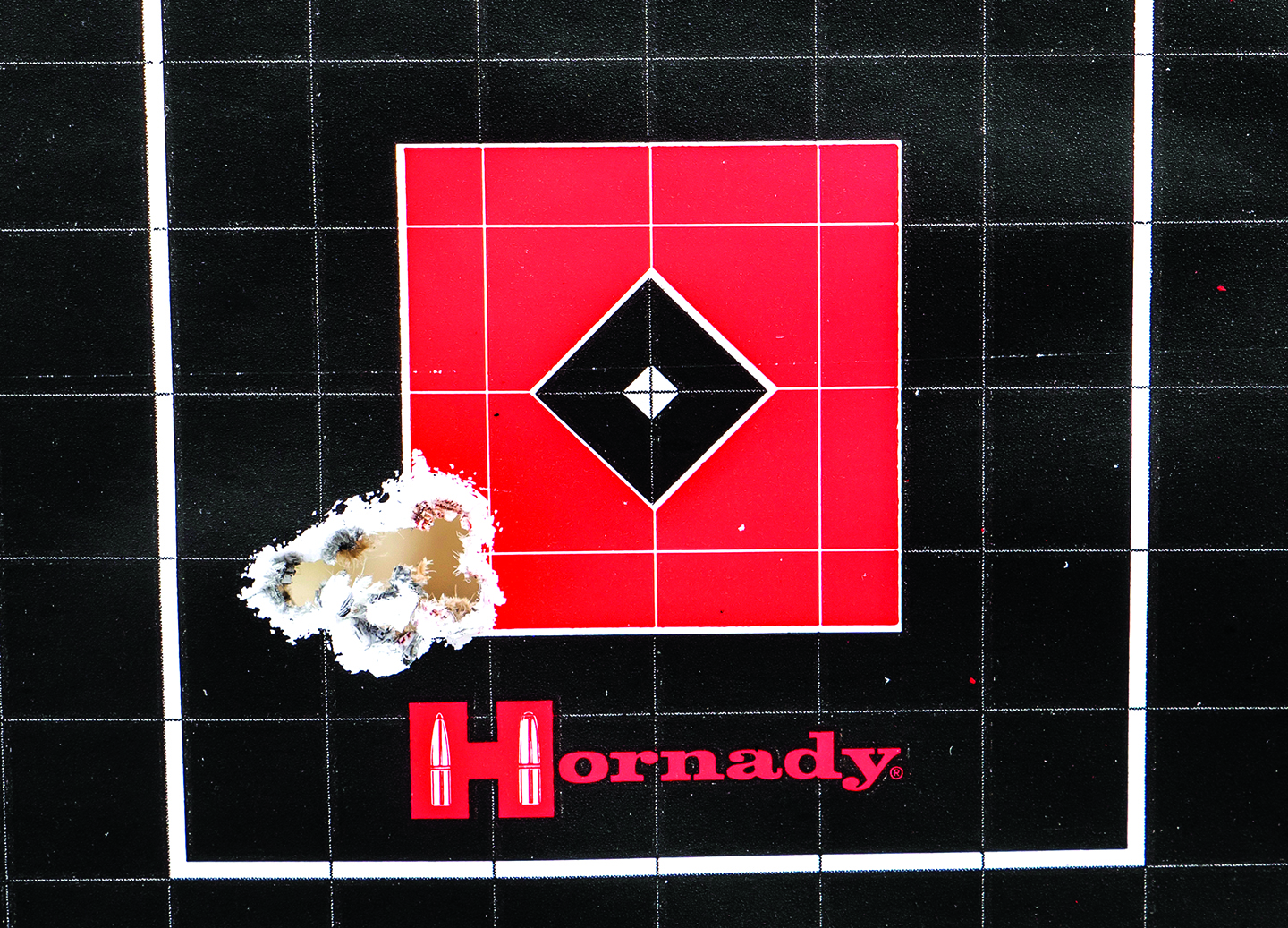
Downrange precision was excellent, with my 100-yard groups generally landing in the one-inch range. Using the Black Hills 77-grain TMK load, my best group was closer to 0.75 inches. I also really liked the 62-grain load from DoubleTap Ammunition; designed as a self-defense round, the 62-grain SP is accurate and very soft-shooting. Training? You can also pick up the Doubletap 62 grain FMJ load that matches the point-of-impact of the 62 grain SP almost perfectly, providing an excellent and more cost-effective practice round. Proving that this rifle was not particularly grain-weight sensitive, Black Hills 77-grain OTM and their MK262 Mod 1-C also performed very well out of the Carmel. Reliability was as good as it gets. So long as the gas setting was correct, the Carmel ran everything, including inexpensive practice ammunition and even some steel-cased rounds I had lying around. Using a Dead Air Sierra 5, it ran perfectly on the unsuppressed setting with no perceptible change in impact. Moving to the suppressed setting, it was downright comfortable and, more importantly, quiet.
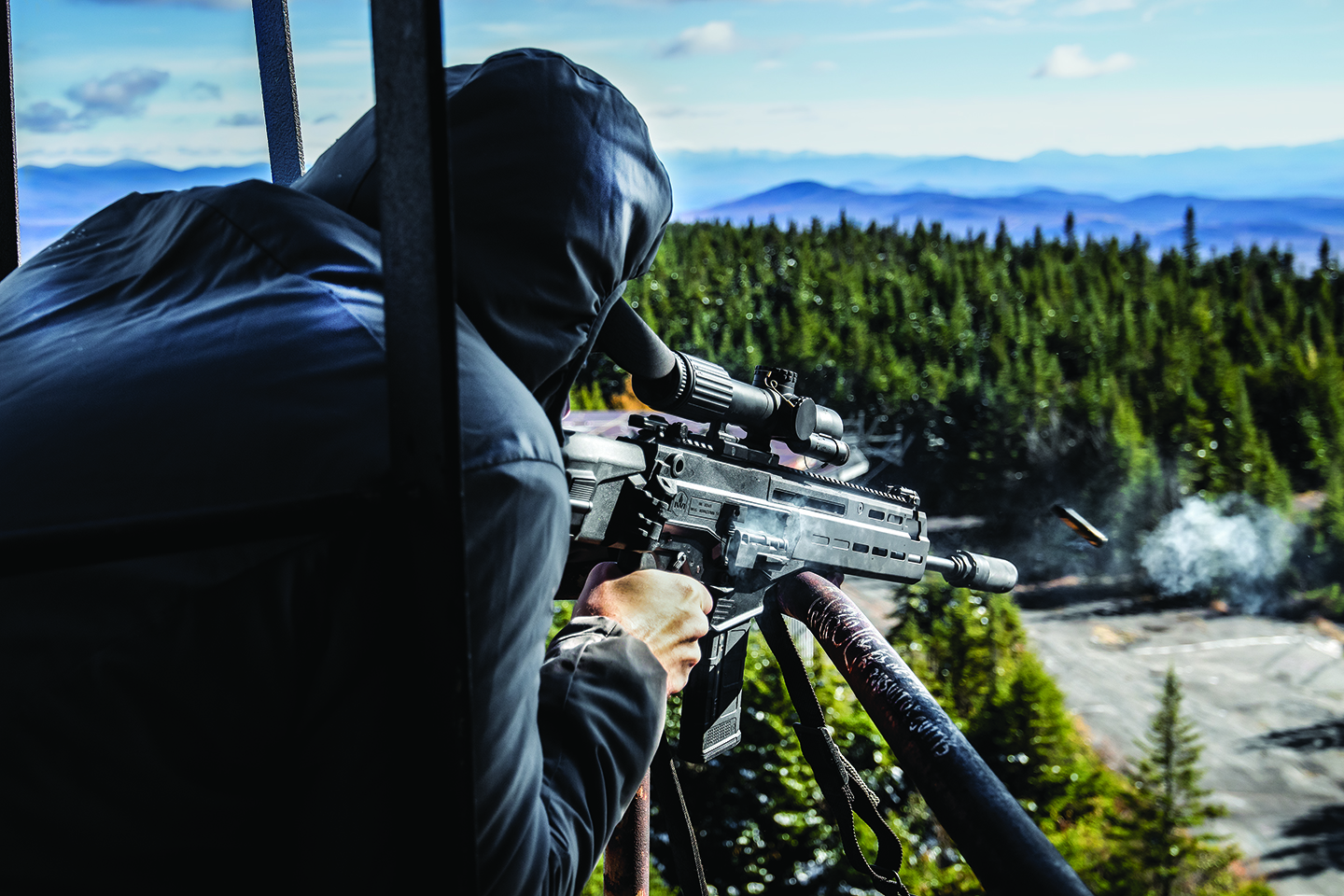
Range time was largely completed at Gunsite Academy, including a few runs on the Military Crest. This course features larger steel targets hidden in the countryside, ranging from 100 to 250 meters in distance. This range is used with most any long gun, and even the occasional handgun. Each station requires you to get set up in and or around various natural obstacles, with only certain targets visible. The advantages of being able to go from 1x to 8x magnification on the Trijicon VCOG become clearly evident here. On several occasions, the Carmel was steady enough to put “hammers” on steel with ease; this is a VERY flat-shooting carbine. The flat bottom handguard makes it easy to use tree branches and other obstacles as a rest. Brass is flung with authority, and there were no stoppages.
Bottom line
For some, the high use of polymer in the Carmel’s receiver construction might be an initial concern, but it’s entirely unwarranted. This rifle is ultra-strong where it counts and light where it doesn’t, leading to not only weight reduction but also opening the door to a high level of modularity.
As an AK kind of guy, the Carmel suits my preferences — so much so that it’s my go-to truck rifle ever since it arrived. Fold the stock, and it fits nicely for storage in a bag or in your vehicle. It has also become one of my favorite teaching rifles at Gunsite Academy; although not an AR, it can be used for every AR-centric drill. To sum up, the Carmel offers AK operability and reliability with AR-type controls and modularity. Dependability in a carbine like this is absolutely crucial, and the Carmel has that in spades, along with being extremely comfortable to shoot. I call it my “favorite AR,” and, after a year or so of use and a couple thousand rounds, that hasn’t changed. Check it out at your nearest dealer, or for more information, contact IWI; Tel.: (717) 695-2081; Web: www.iwi.us
Specifications:
Caliber: 5.56 NATO
Action: Short Stroke Gas Piston (two-position regulator)
Barrel: 16 in., 1:7 twist
OA Length: 26.75 in. to 33.75 in.
Weight: 8 lbs, 2 oz.
Sights: Picatinny Rail
Stock/Grip: Folding adjustable/B5 Type 23 P-Grip
Finish: Black anodized
Capacity: 30; accepts AR15 based magazines
MSRP: $1,799