

THE S&W SHIELD GOES “X”
By: Massad Ayoob
A concealed carry favorite gets up-sized and updated
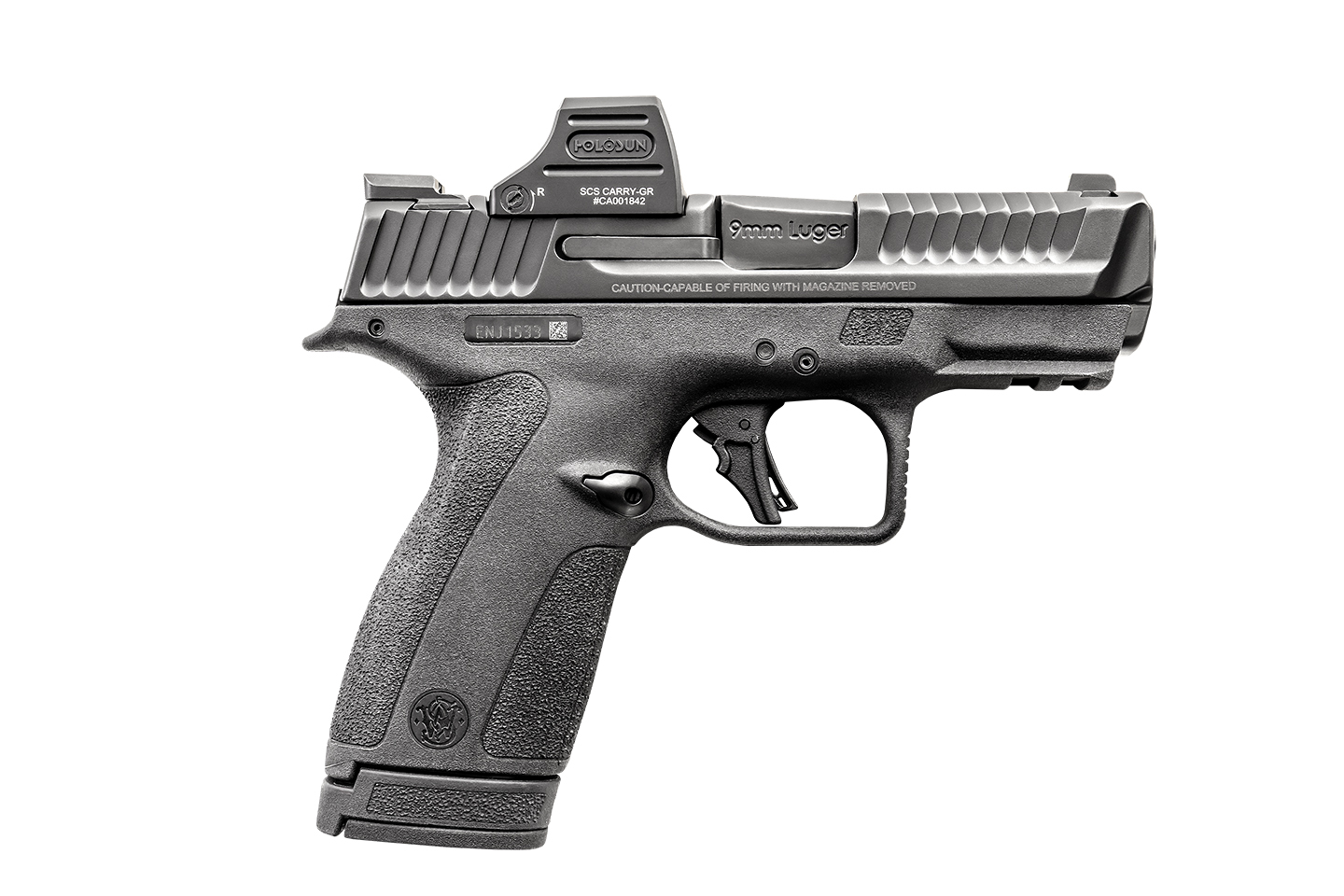
The Smith & Wesson Shield had a lot to do with popularizing today’s genre of subcompact semi-auto pistols for concealed carry. By 2015, the company had sold a million of them … and by 2019, three million. Of course, they have evolved. Originally introduced in 9mm and .40 S&W, a .45 ACP version was added in 2016, and they worked so well that the police department I then served adopted them as standard issue for backup and off-duty use. Various enhanced versions, sometimes ported, have been offered. A higher capacity Shield Plus became S&W’s answer to SIG’s uber-popular P365. Now comes the latest variant, the Shield X.
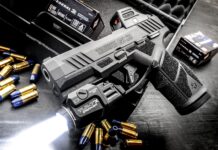
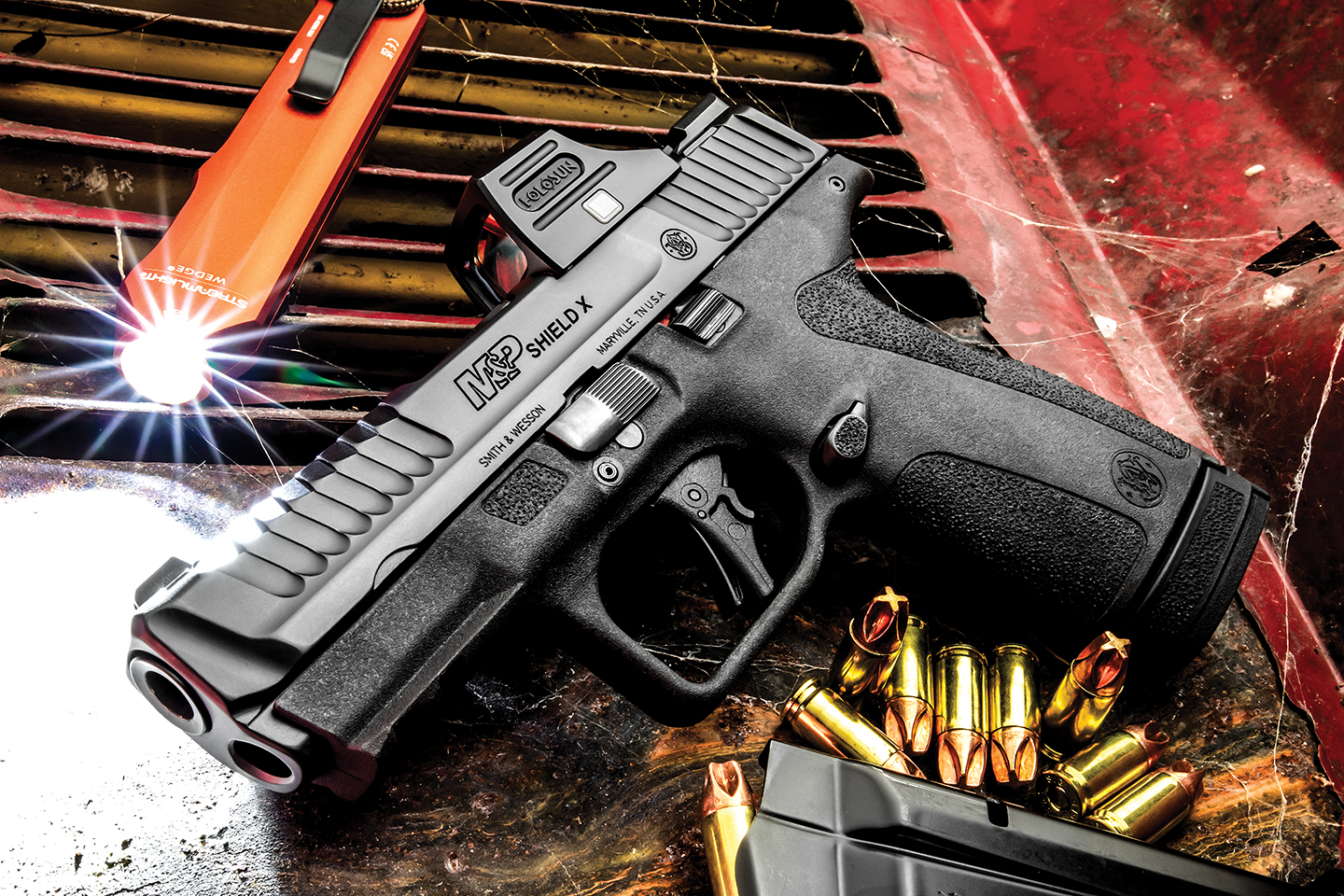
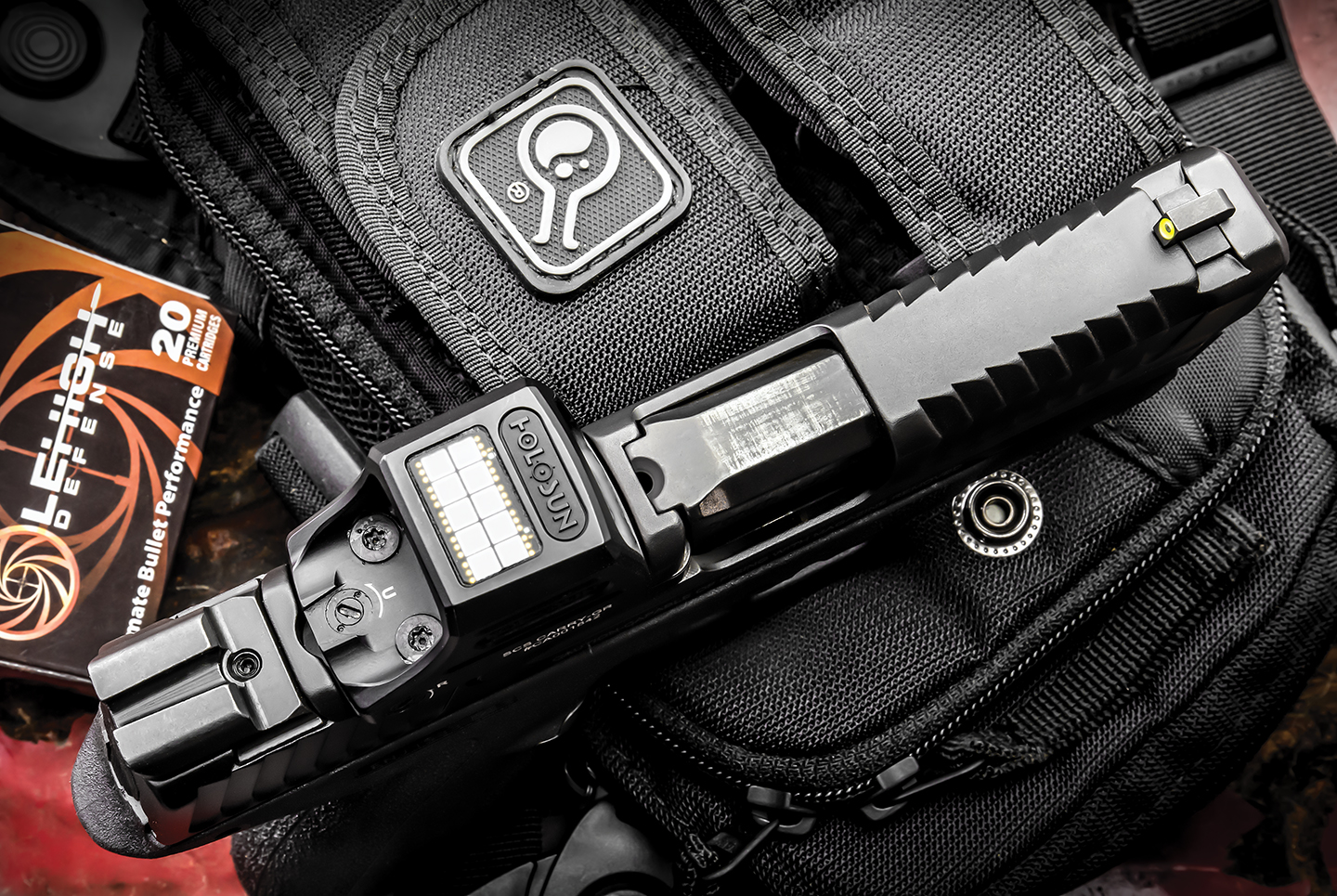
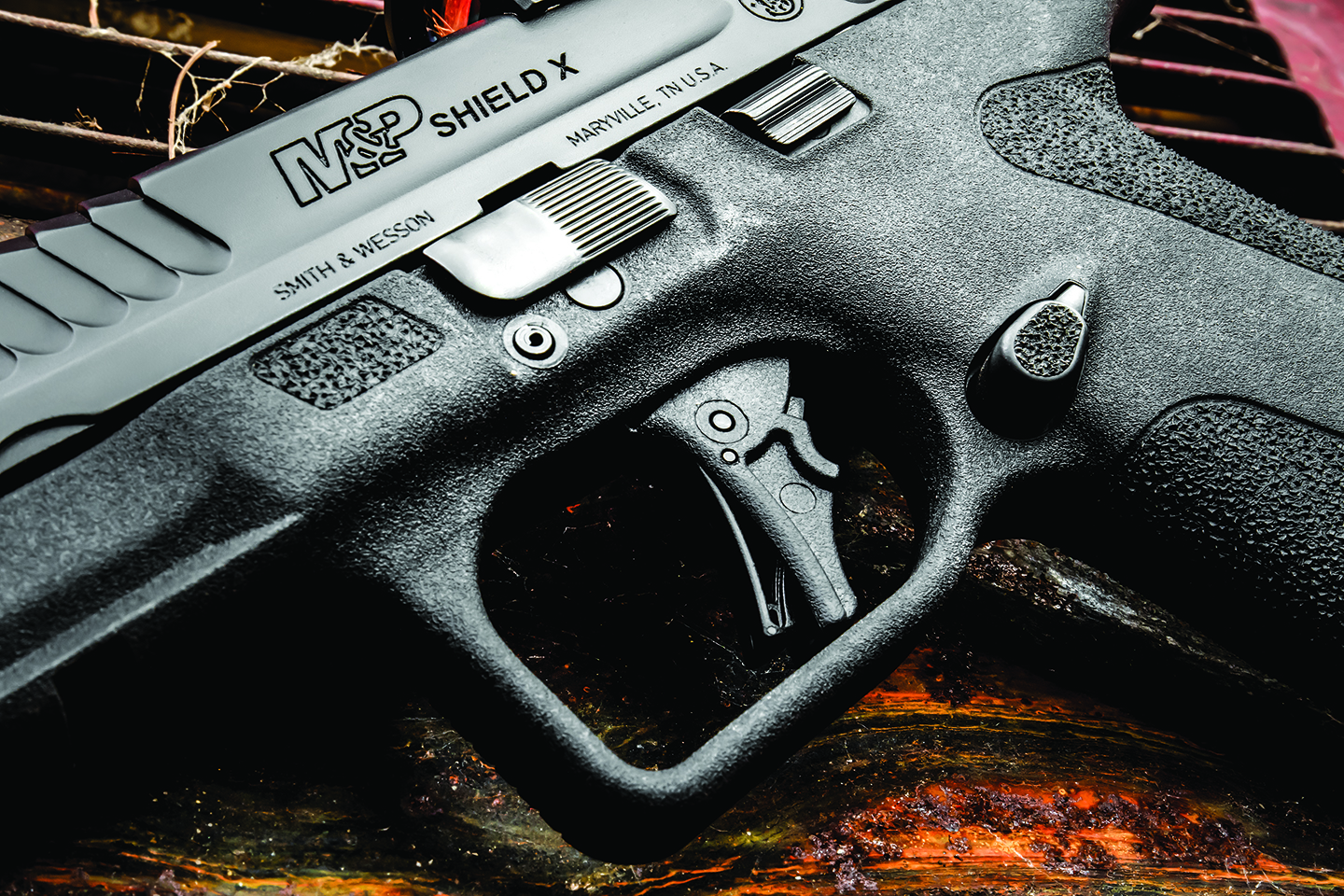
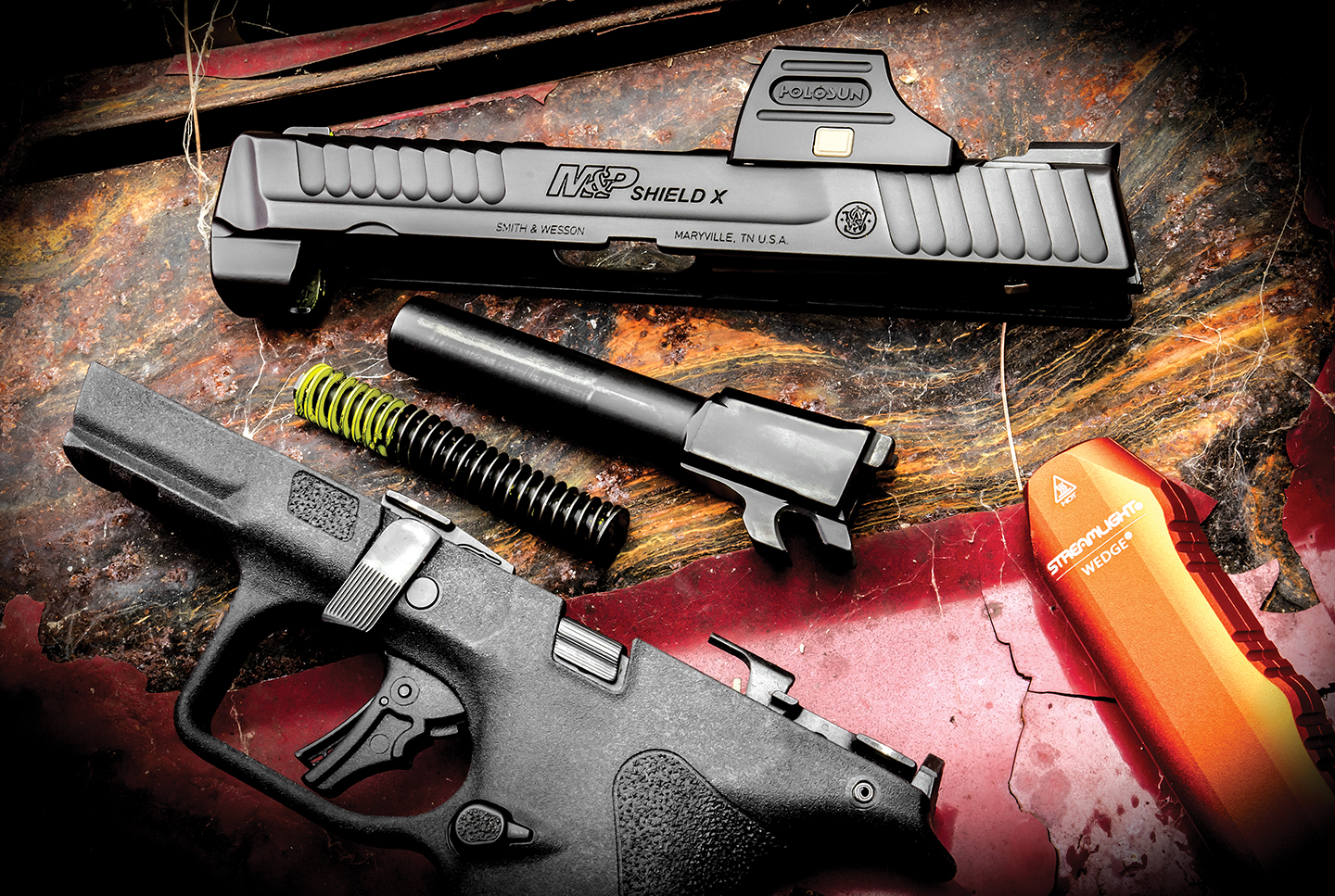
In the Shield X, we find significant updates. Higher capacity (9mm only). The tiny, vestigial forward slide grooves are replaced with a bolder cut that is much easier to manipulate. The X is railed for compact light and/or laser sight attachments. The barrel is extended from 3.1″ to 3.6″. And – perhaps most important to many – it is carry-optic-capable. For those who aim “the old Way”, the X comes with an excellent rear sight with a big U-notch, serrated to cut glare, and a big Patridge front sight mounting a bright colored aiming dot with a Tritium night-sight insert in its center. Finally, there are rough pads on the frame above and forward of the trigger, to remind the shooter by feel to put their trigger finger in register on one side when not actually shooting the drawn pistol, and on the other side to remind the support hand thumb to align with the frame and not ride the slide when not shooting.
Our test sample arrived from On Target magazine with a solar-powered Holosun green-dot carry optic installed. The optic worked fine throughout the test, and the Shield’s grip angle – reminiscent of that on their excellent Bodyguard 2.0 .380 – made it easy to quickly “find the dot.”
Shooting the X
The trigger is the heart of the beast for good shooting. Pull weight is only one measure of a “good trigger pull,” but it’s an important one. Like most of today’s auto pistols, the Shields have a pivoting trigger, a lever if you will, so naturally it requires less effort the further from the fulcrum we are when we apply pressure. The toe, or bottom part of the trigger, provides the most leverage, and from there, our Lyman Digital gauge averaged five pounds seven ounces to release the shot. However, most human fingers ride the trigger more at the center, and from there pull weight averaged 6.59 pounds. Right in the ballpark for a striker-fired “carry pistol” designed for use under stress.
The reach to the trigger is relatively short, allowing a short finger to place its fingerprint center on the trigger face easily and permitting the average-size adult male hand to use the distal joint for more leverage. The pull begins with a very short, light take-up, followed by firm resistance and finishing with a clean break. It’s not a “target pistol trigger,” but none of our testers, ranging from five feet tall to six feet plus with proportionate hands, had any problems with it.
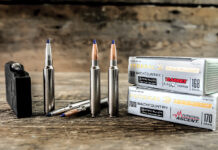
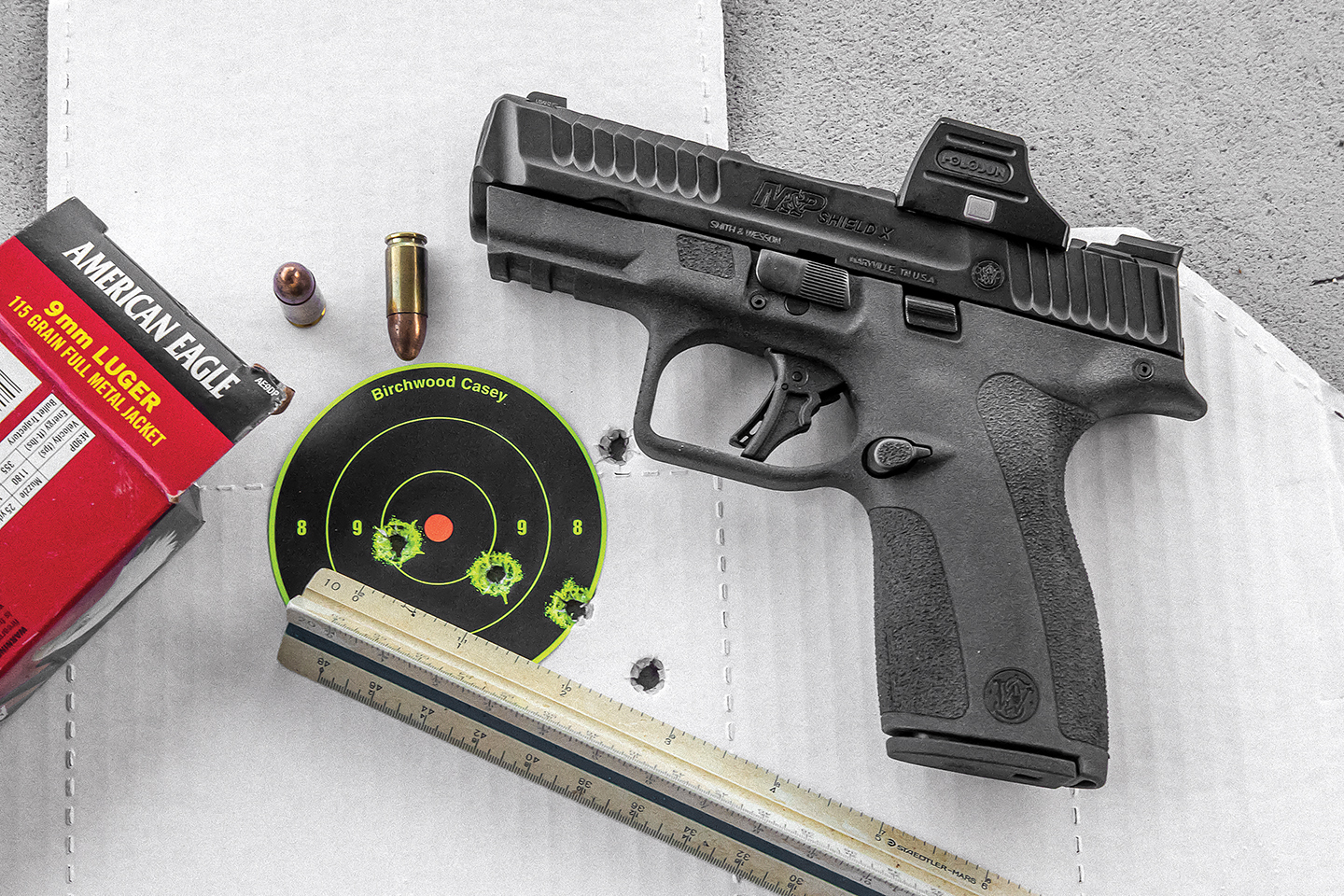
Accuracy? These compacts are usually tested for accuracy at seven to fifteen yards, but we still use the accepted “service pistol distance” of 25 yards. Firing is done hand-held from a Caldwell Matrix rest on a concrete bench, and each five-shot group is measured twice — once for all five hits and again for the best three. The total group gives a good prediction of what an experienced shooter can expect under perfect conditions (“practical accuracy”), and the “best three” has been proven to approximate what the same gun and load would likely do from a machine rest for all five (“mechanical accuracy”). We used two proven brands of ammo in the three most popular bullet weights for the caliber.
147-grain subsonic 9mm Luger ammo is generally quite accurate, but in this particular pistol, Winchester WinClean jacketed truncated cone was an exception, with all five shots measuring 4.10” center to center, somewhat redeemed by a “best three” measurement of 1.85”. All measurements were center to center between the two farthest-flung bullet holes, to the nearest 0.05”.
124-grain Federal HST jacketed hollow point at +P velocity has earned an excellent reputation “on the street,” and from the Shield X plunked five shots into 4.15″ with the best three in a more reassuring 1.35″. This was a classic example of the “best three” measurement, factoring out unnoticed human error.
The best overall group came with 115-grain, the most popular 9mm practice ammo bullet weight. Federal American Eagle full metal jacket produced a 2.50” five-shot cluster with the tightest trio in 1.70”.
For perspective, this was a compact pistol being shot against standards developed for full-size service pistols. The long-standing standard for “acceptable service pistol accuracy” is four inches at 25 yards, so this little gun did OK. Bear in mind that the center zone of an International Defensive Pistol Association target is an eight-inch circle. In short, no one on the test team was dissatisfied with the accuracy and shootability of the Shield X.
The Test Team Speaks
Our test team included three award-winning shooters. Here’s what they had to say after running the test pistol.
David Rodgers on the Shield X: “My first thought was Suzie, my wife, is going to want one of those. She has several Shields and carries one in her Maxpedition bag. They’ve made really good upgrades. I like the bigger magazine. The slide stop is a little hard to use. All shots stayed in the upper A-zone. The trigger was so wide that the distal crease I usually use didn’t work as well. I had to use the pad. I like the shorter mag for carry and the long one for spare. The 15-round mag felt perfect, though.”
Kevin Williams: “Very controllable. I love what they did with the iron sights. Very nice pistol overall.”
Gail Pepin: “Recoil control was OK. I liked the size and the cartridge capacity. It fit my small hands quite well. It reminded me of my Bodyguard 2.0 .380, which I like very much. I loved the sights! I think it would make a very good carry gun.”
Reliability
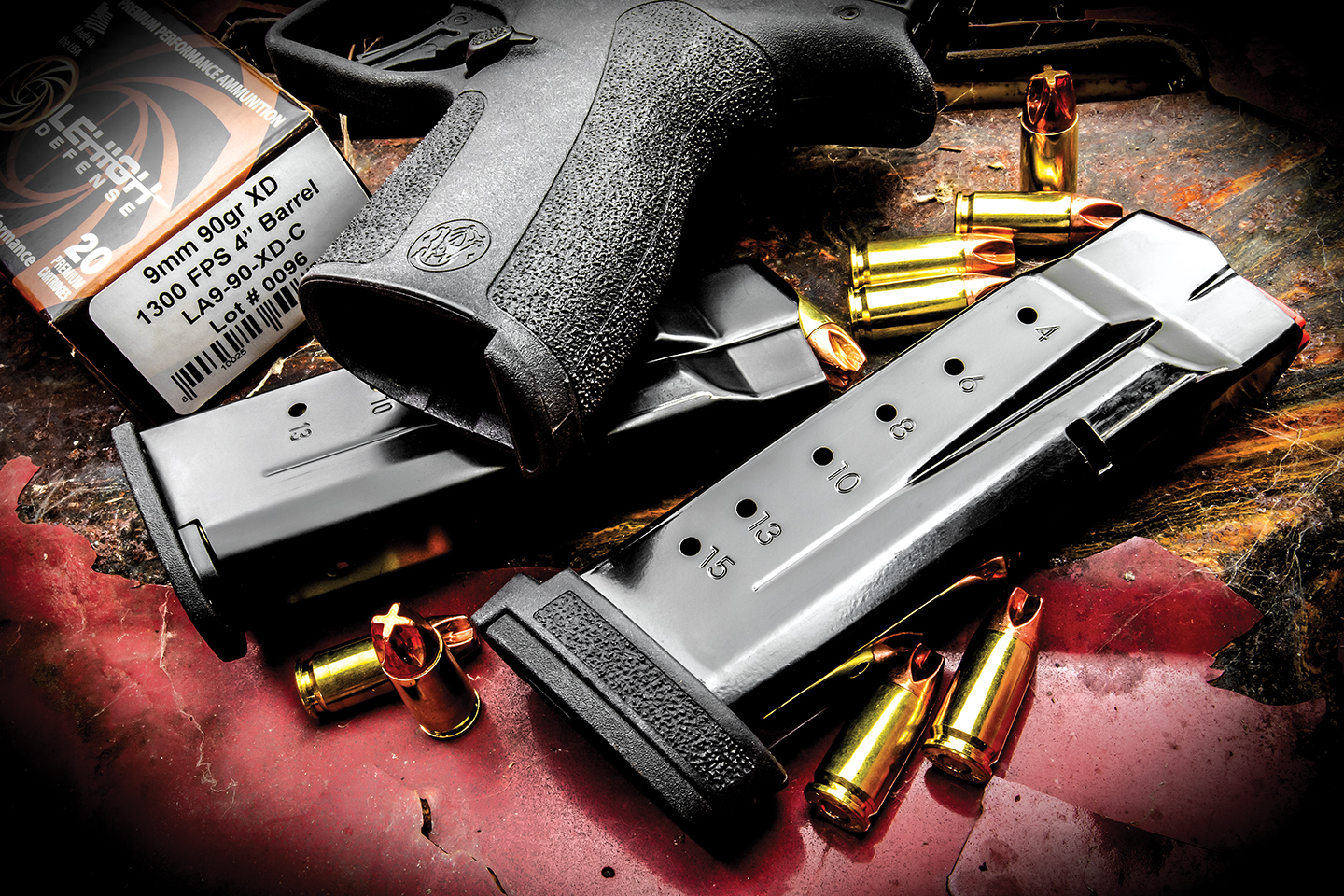
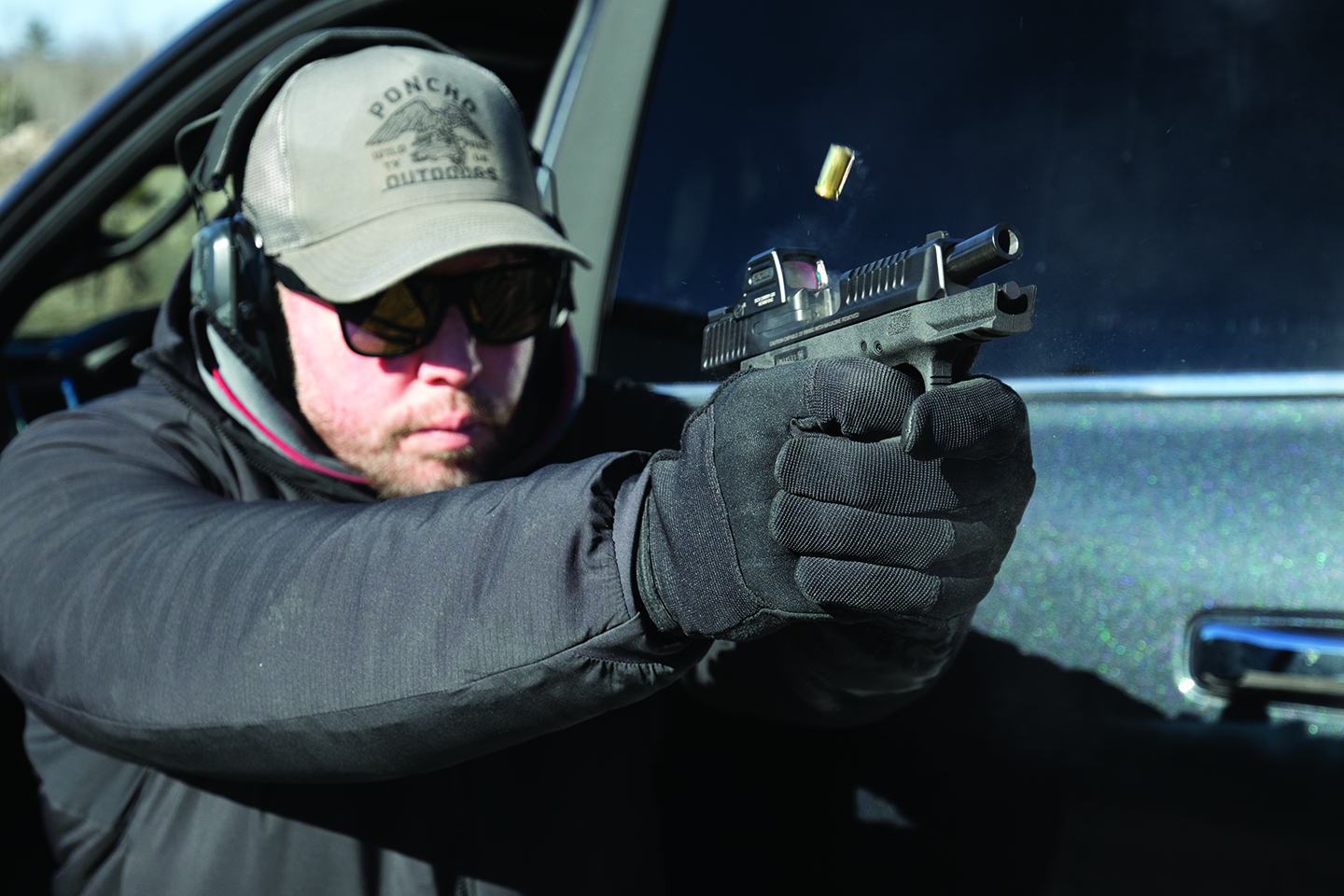
We ran the gun out of the box, just the way most gun buyers do, without pre-lubing it. There were no malfunctions of any kind in the hands of several shooters, big and small, male and female. It proved difficult to get all 15 9mm rounds into the 15-round mag by hand; however, we could get the whole baker’s dozen into the 13-round magazine, but it wouldn’t seat fully with the slide forward unless downloaded by one. Given that the British SAS did just fine with their much larger 13+1 Brownings loaded with 12+1, I don’t see that as a big handicap. I’d carry the X with one round down.
Bottom Line
The S&W Shield series has well earned its millions of sales. As tested, the Shield X, excluding the Holosun optic, is a solid value at its manufacturer’s suggested retail price of $599, available with or without a thumb safety. See the Shield X at your nearest dealer, or for more information, contact Smith & Wesson; Tel: (800) 331-0852; Web: www.smith-wesson.com.
Specifications:
Action: Striker fired
Caliber: 9mm
Barrel Length: 3.60 inches
Overall Length: 6.87 inches
Width: 0.90 inches
Height: 4.90 inches
Weight: 20.80 ounces
Finish: Black
Sights: RMSc/K optic cut, night sights
Capacity: 15+1 rds.
MSRP: $599