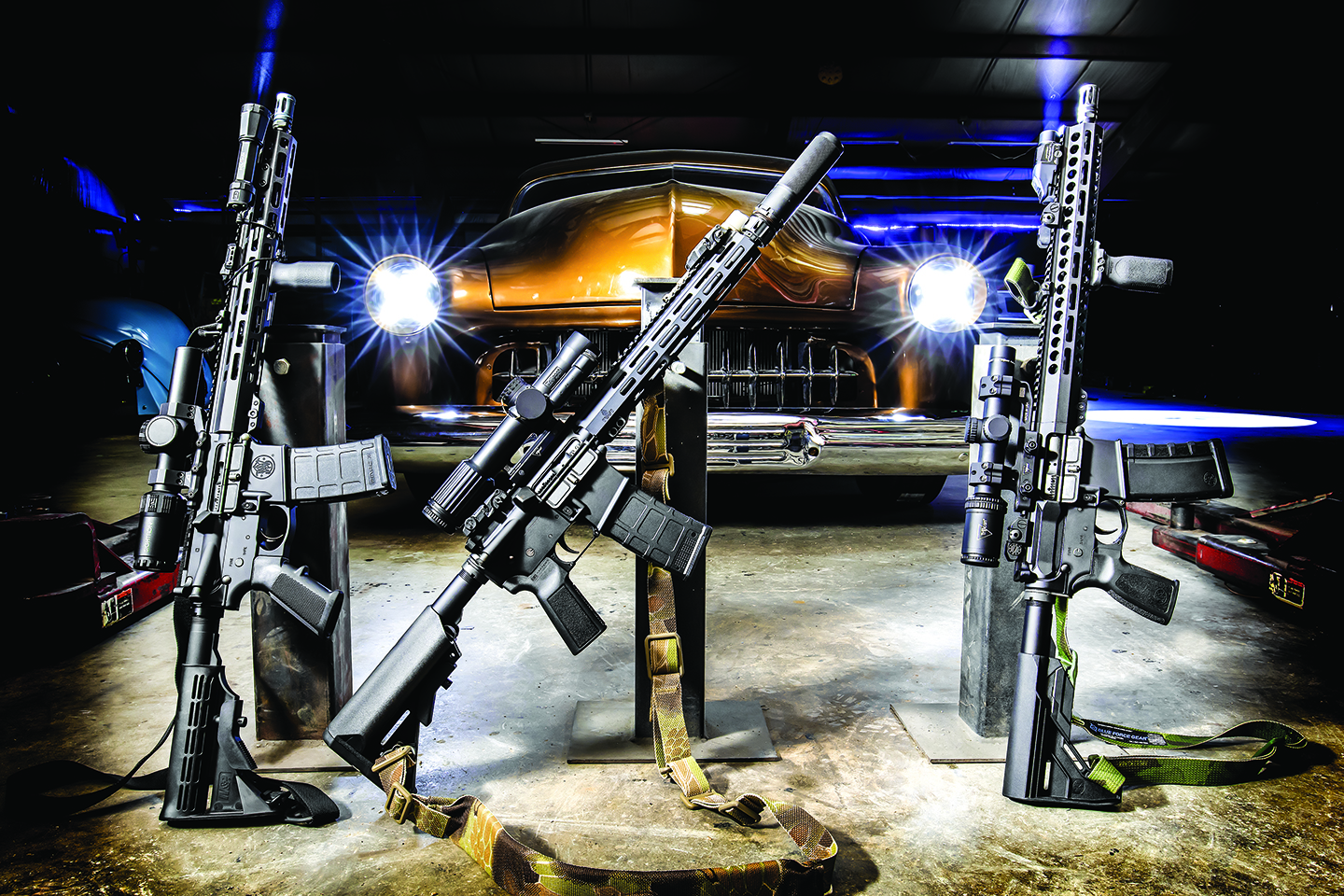



Smith & Wesson M&P15 Sport III
By: Mike Dickerson
The latest upgrade to the M&P Sport rifle delivers popular features at a still-modest price.
Smith & Wesson’s M&P15 Sport rifle has long been popular as an entry-level AR and as a starting point for building a customized rifle. That popularity had as much to do with Smith & Wesson’s reputation for building reliable guns as it did with the rifle itself, which was always pretty basic and unadorned.
S&W made minor improvements to the Sport over the years, such as adding a forward bolt assist and dust cover to the now-discontinued Sport II. However, over time, the rifle began to suffer in comparison to affordable competing guns that provided shooters with more of the features they wanted out of the box.
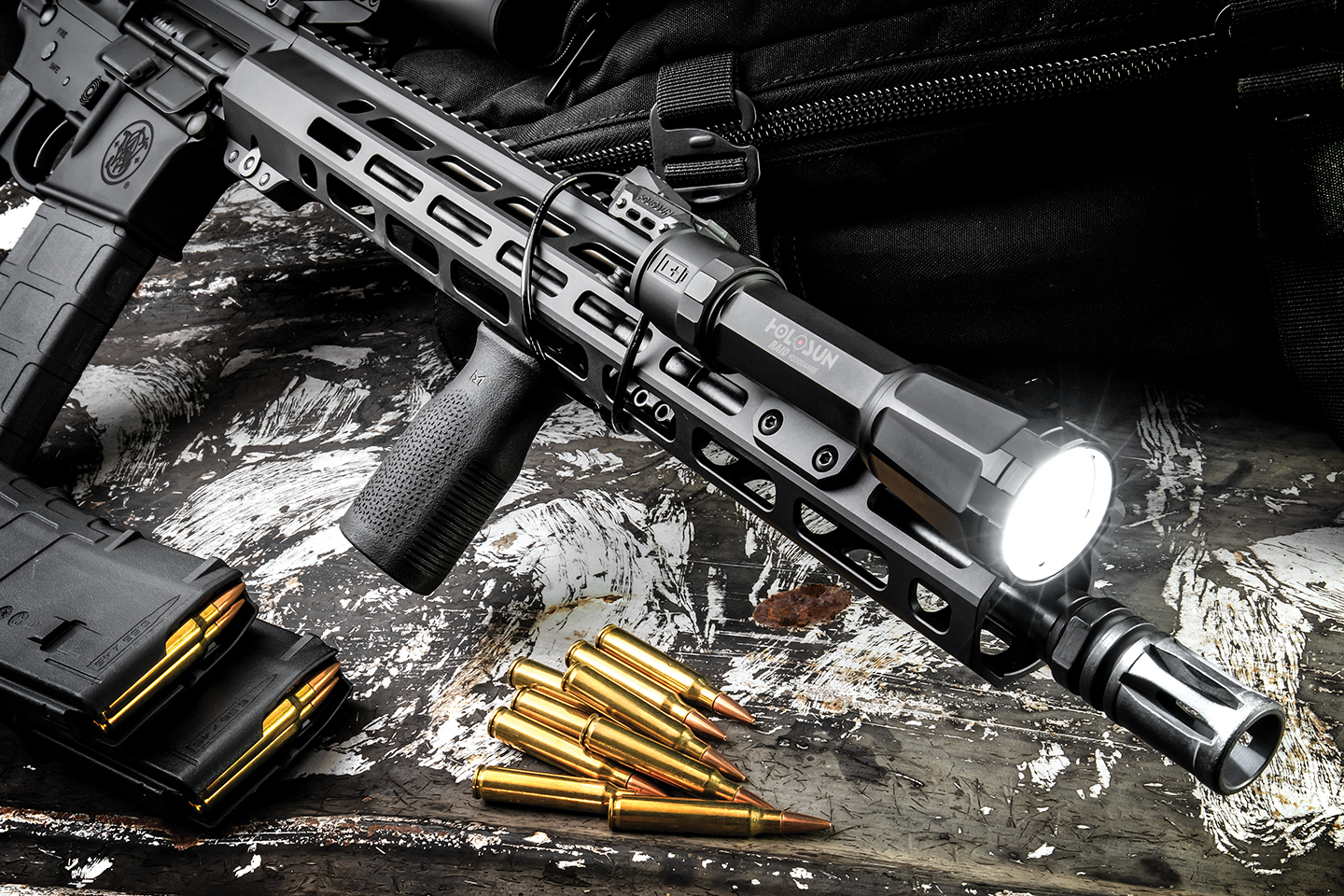
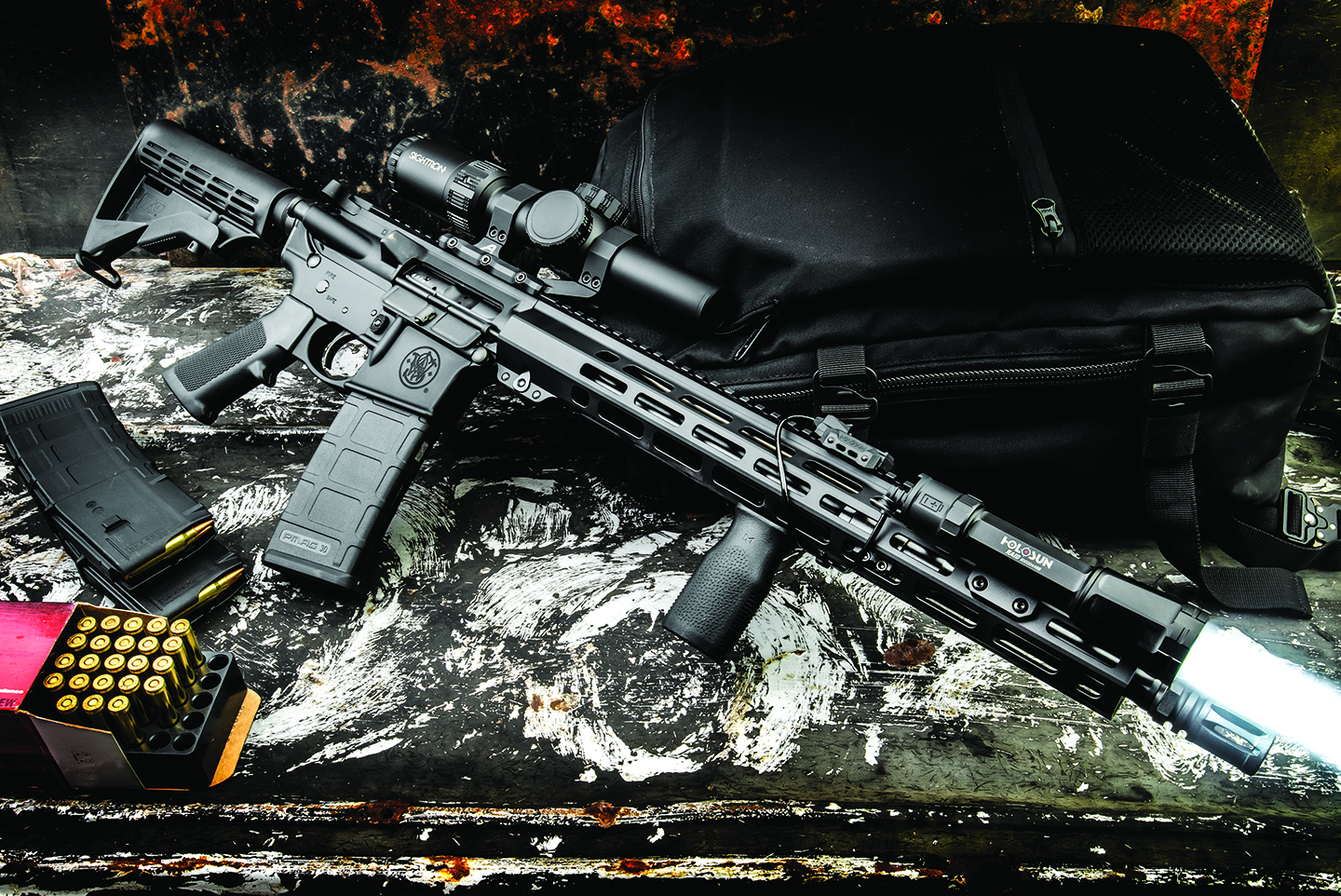
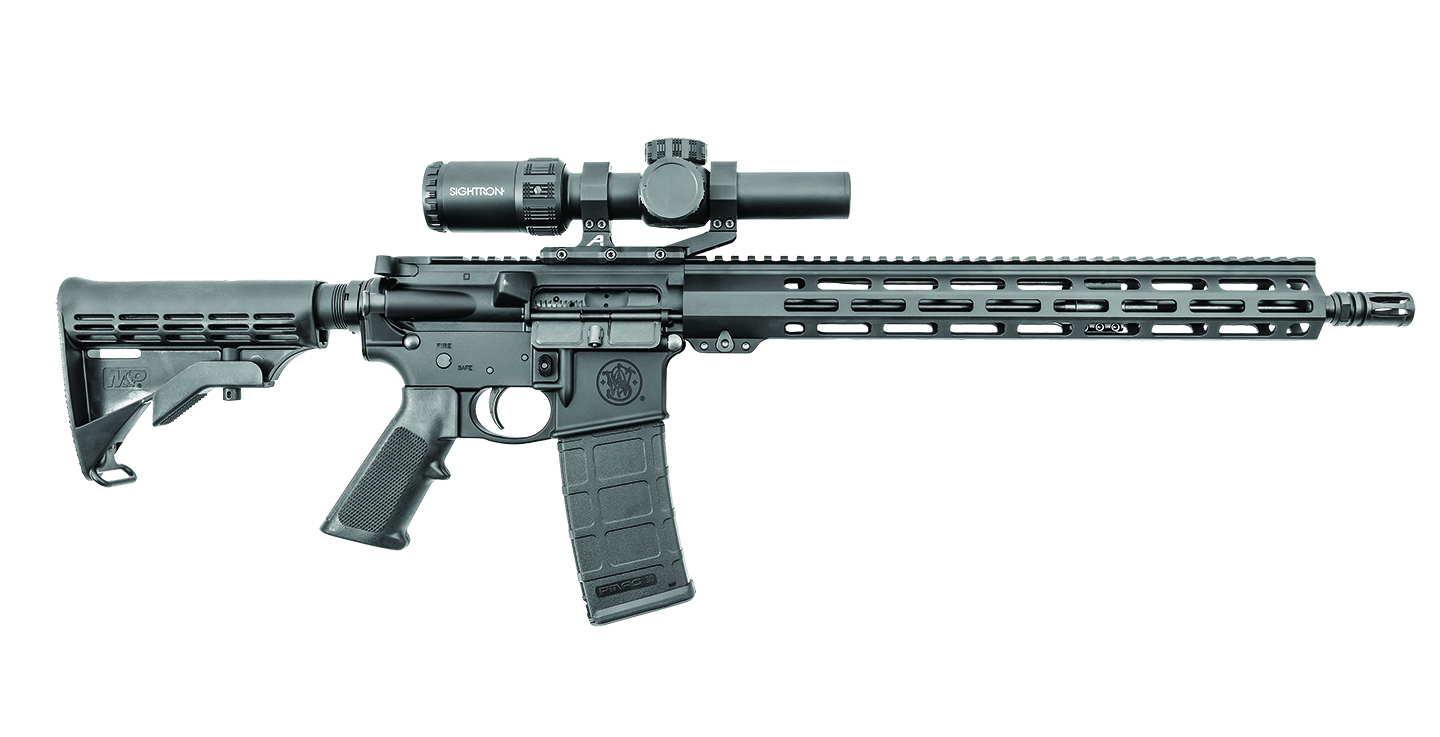
S&W has addressed those shortcomings in the new M&P15 Sport III, which is arguably the gun S&W should have been building years ago. Happily, the Sport III remains affordable with an MSRP of just $799, but the gun has some major upgrades. One of the most important is a switch from a carbine-length gas system to a mid-length gas system, avoiding over-gassing issues and resulting in a softer-shooting gun.
S&W also made a good choice in switching from 16-inch barrels with six-groove rifling and a 1:9 twist rate to barrels with 5R rifling with a 1:8 twist like those used in the original Sport rifle. I have always found that 5R barrels, in general, don’t accumulate copper fouling as quickly and are easier to clean.
Another upgrade is the switch from a GI-style handguard to a free-floated, 15-inch lightweight aluminum handguard. The handguard has a full-length Picatinny rail on top and a multitude of M-LOK attachment points on the sides and bottom, so you can easily add accessories.
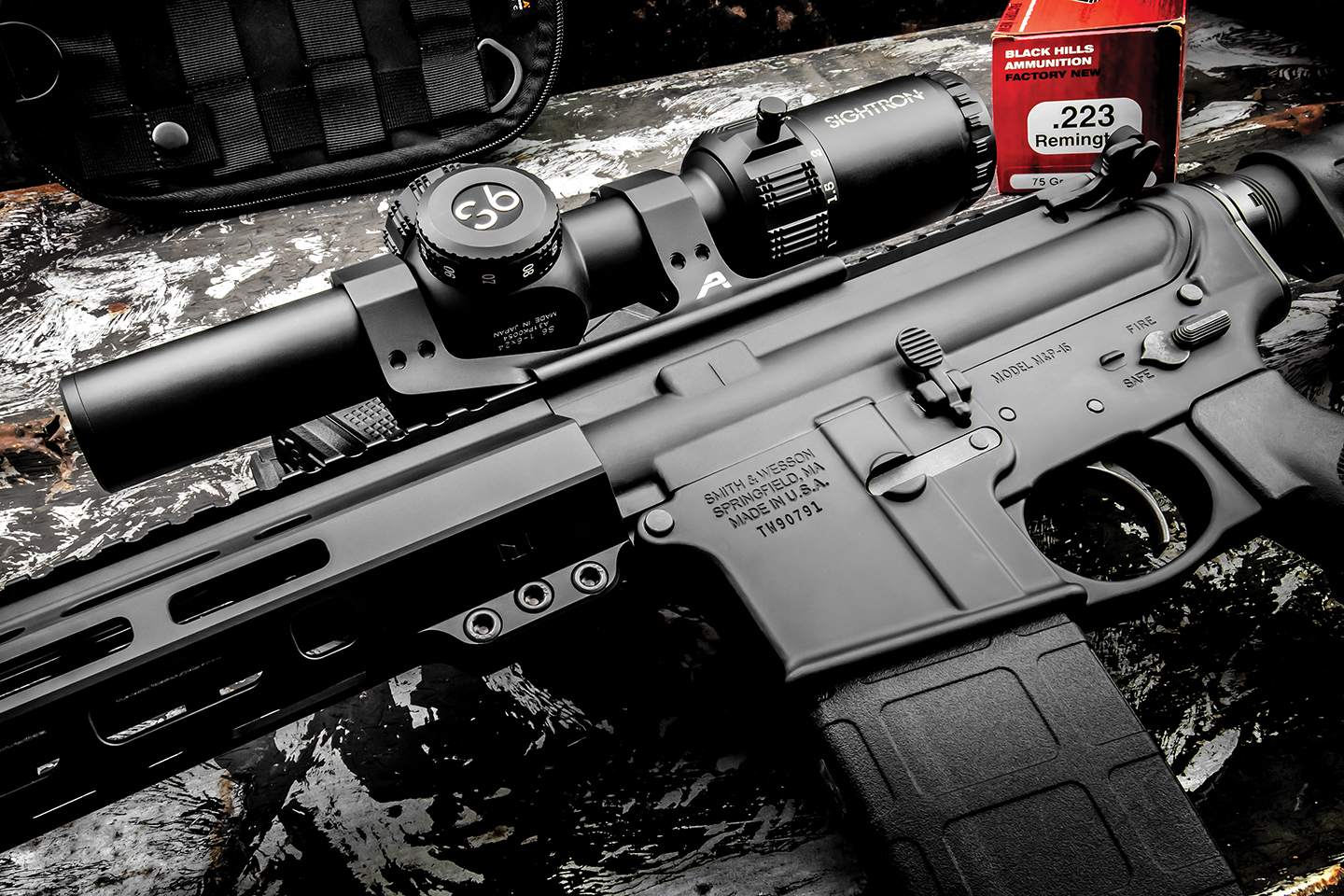
The basics of this rifle are what you would expect from S&W. The upper and lower receivers are made of 7075 T6 aluminum and have a hard-coat black anodized protective finish. Forged into the lower receiver is a large integral trigger guard with lots of room for a gloved trigger finger. Notably, I found no wobble between the upper and lower on my test rifle.
The bolt carrier group is designed to be reliable and durable. It is HP and MPI tested, and made of quality components, including a chrome-plated firing pin made of AISI 8640 steel, a bolt made of Carpenter 158 steel, and a bolt carrier made from 8620 steel. The carrier key is properly staked.
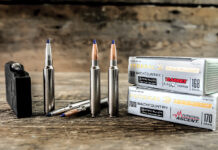
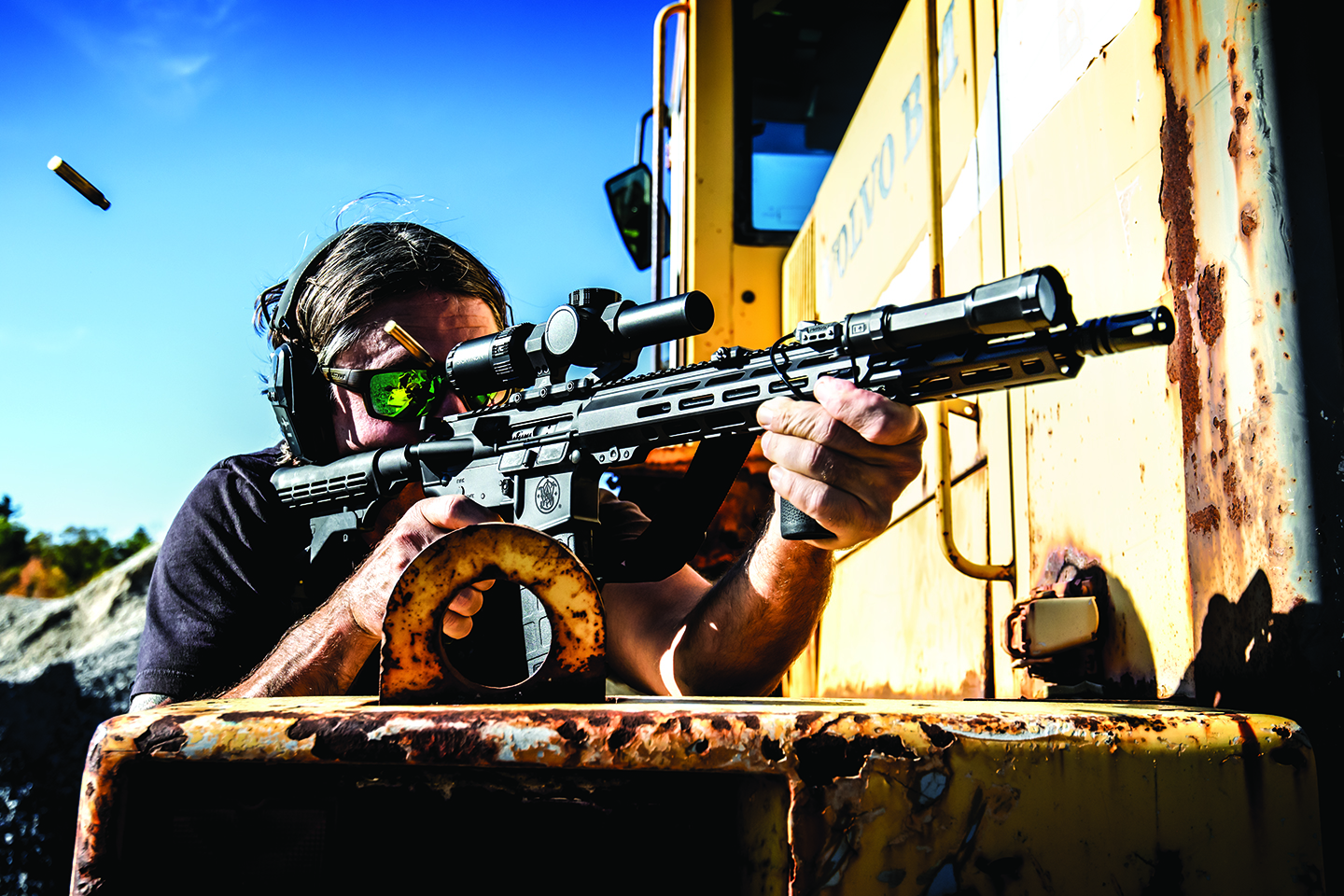
For function and accuracy testing, I ran five loads with a variety of bullet weights and styles through the rifle. The gun had zero malfunctions of any kind, and 100-yard accuracy results were impressive, despite shooting using a variable LPVO from Sightron that maxed out at 6X magnification. Even with the limited-power optic, the worst-performing load produced 1.88-inch average groups at 100 yards.
Four other loads did far better. Three turned in sub-MOA average groups, while a fourth narrowly missed that mark. Interestingly, two loads using 77-gr. bullets, from Barnes and Black Hills, shot as well as two loads from Hornady using 55-grain bullets, demonstrating that this gun can shoot well with a range of bullet weights.
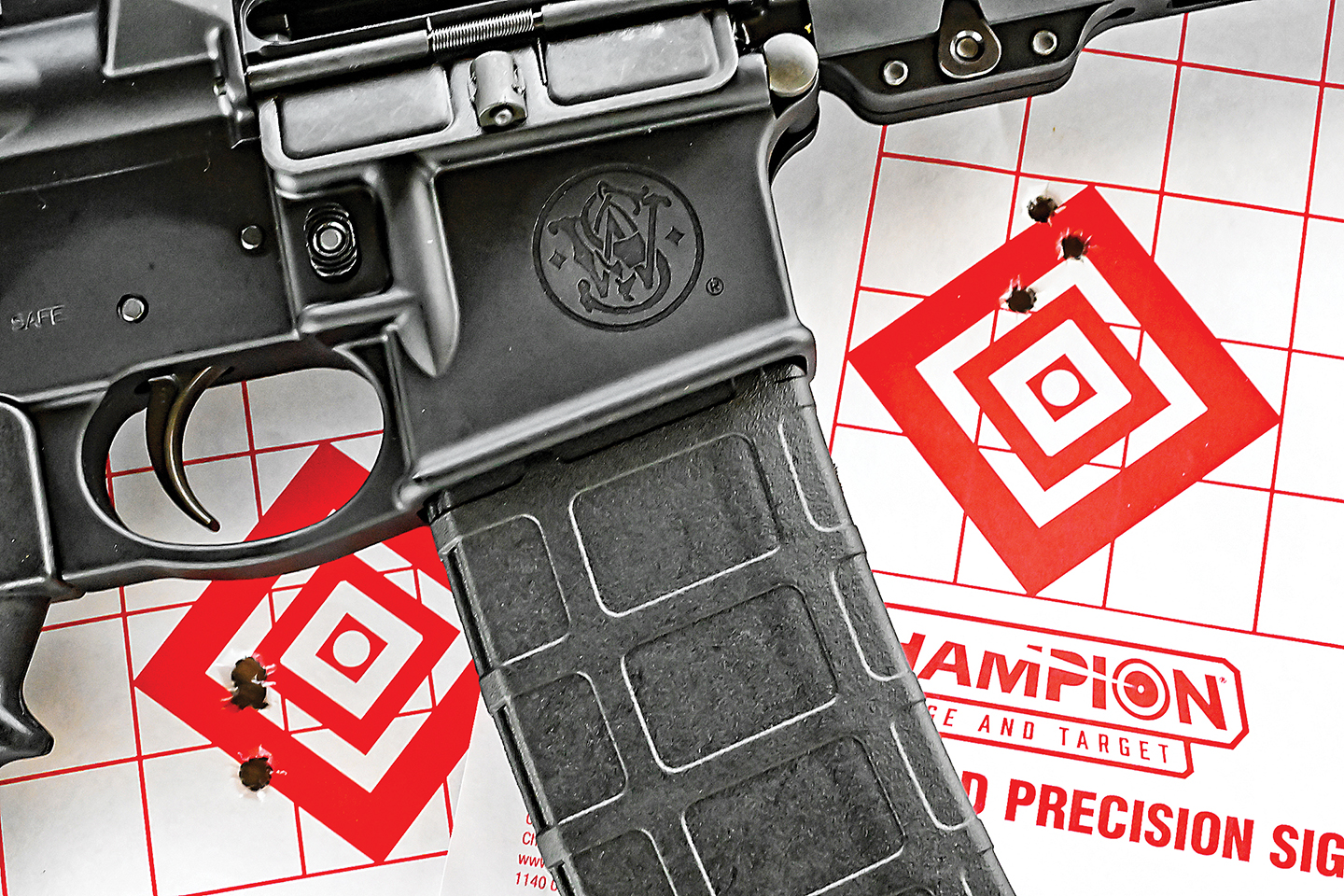
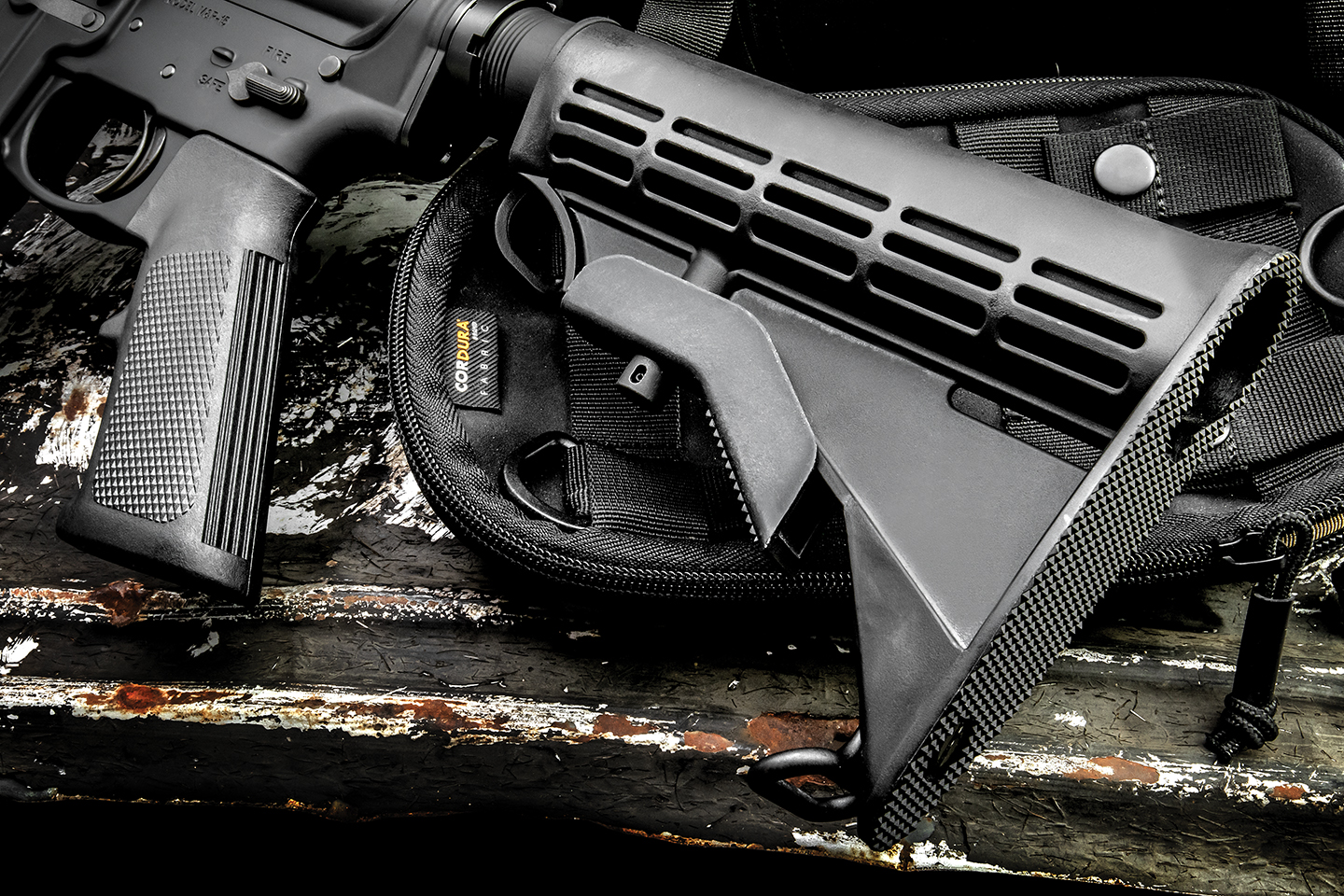
That’s outstanding performance when you consider that all groups were shot with a Mil-Spec-ish trigger with a 5 lb., 10 oz. pull weight and considerable creep. The trigger is the first thing I would replace on the Sport III, but not the last. The furniture and controls on the gun are functional, not fancy. I would replace the wobbly M4-style buttstock, which lacks QD sling attachment points, and the smallish charging handle. If you want iron sights on the Sport III, you’ll have to add them yourself (the old Sport II came with an adjustable A2-style post front sight and folding MBUS rear sight).
While some users will be perfectly happy with the Sport III in its factory configuration, these are the basic changes I would make to the platform for my use. Modifications always add to the cost, but I would still consider the rifle a bargain considering the inherent overall quality of the M&P Sport III, its modest price tag, and S&W’s solid warranty. For more information, contact Smith & Wesson; Tel.: (800) 331-0852; Web: www.smith-wesson.com.
Specifications:
Caliber: 5.56 NATO
Action: Semi-Automatic/Direct Impingement
Barrel: 16 in., 1:8 twist
OA Length: 35 in.
Weight: 6.5 lbs
Sights: Picatinny Rail
Stock/Grip: M4 Six-Position/A2
Finish: Black Anodized
Capacity: 30; accepts AR15 based magazines
MSRP: $799